Celtic La Tène Style Art: History & Symbolism
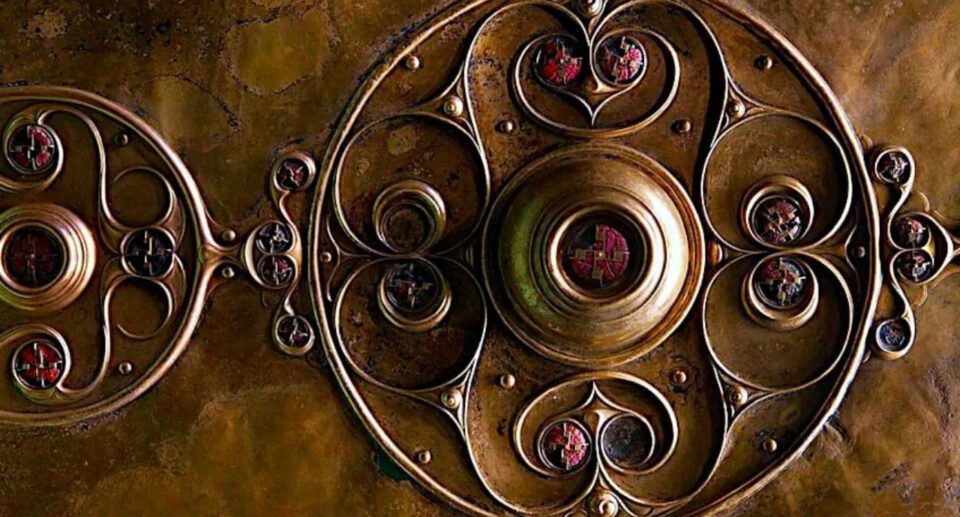
Celtic La Tène style art remains one of the most captivating expressions of ancient European creativity. Emerging around the 5th century BCE in the La Tène region of Switzerland, this style represents a cultural flourish of the European Iron Age. Known for its intricate patterns, flowing lines, and abstract motifs, La Tène art not only decorates artifacts but also reveals insights into Celtic society, beliefs, and aesthetics.
Origins of La Tène Style
La Tène style originated during the European Iron Age, flourishing between 450 BCE and 1 BCE. It succeeded the earlier Hallstatt culture, introducing a more dynamic and elaborate visual language. Unlike the geometric forms of Hallstatt, La Tène designs favor curves, spirals, and asymmetrical motifs. This style spread widely across Europe, reaching Ireland, Britain, France, and even parts of Central Europe.
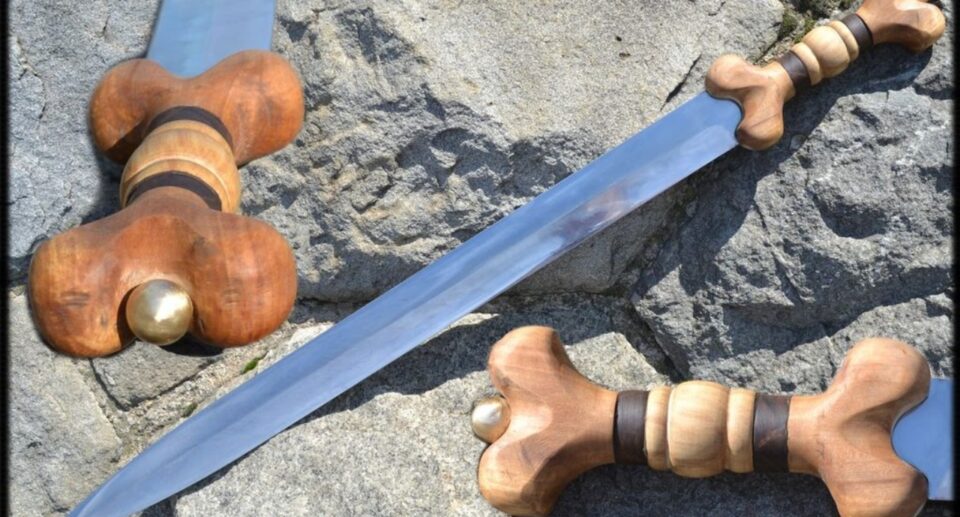
The art often adorned weapons, jewelry, pottery, and ceremonial objects, reflecting both status and spiritual beliefs. It demonstrates the Celts’ skill in metalwork, wood carving, and stone engraving, blending utility with ornamental beauty.
For more on Celtic artifacts, see our guide on Celtic stone carvings.
Key Motifs in La Tène Art
La Tène art is recognized by several distinctive motifs:
- Spirals and Curvilinear Patterns: Spirals often symbolize cycles of life, nature, and spiritual continuity.
- Zoomorphic Forms: Animals, real and mythical, are depicted in stylized, intertwined forms, reflecting Celtic mythology.
- Triskeles and Knots: Threefold motifs, like the triskele, represent balance, unity, and cosmic harmony.
- Geometric Interlace: Repeating patterns of lines and shapes create mesmerizing optical effects.
These elements were not just decorative, they carried meaning, linking everyday life to the sacred. The Celtic reverence for nature and storytelling is evident in these designs, similar to themes found in Irish storytelling traditions.

Materials and Techniques
Celtic artisans applied La Tène designs to metals like bronze, iron, and gold. Techniques included:
- Repoussé and Engraving: Creating raised or incised designs on metal surfaces.
- Casting and Filigree: Producing fine, ornamental patterns for jewelry and ceremonial objects.
- Wood and Stone Carving: Translating abstract motifs into larger, structural forms for ritual or daily use.
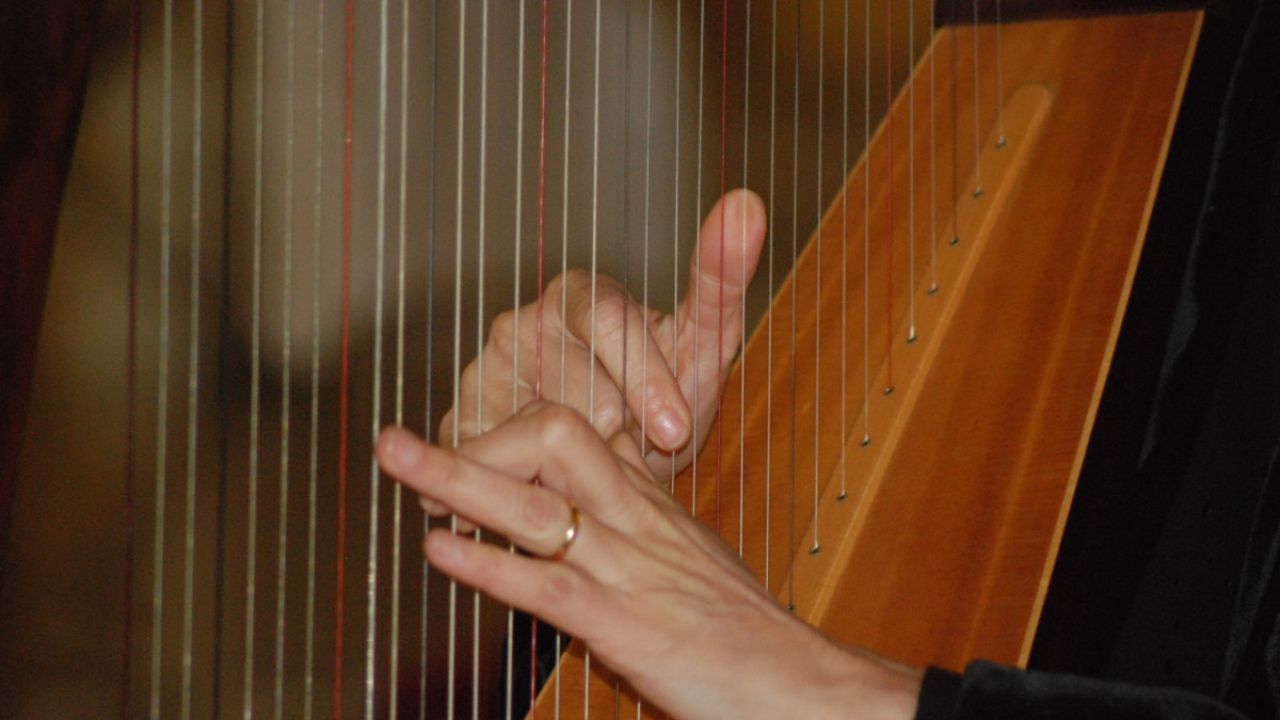
These techniques highlight both the technical skill and artistic vision of ancient Celtic craftsmen. Similar craftsmanship can be seen in the intricate designs of Celtic harps.
Influence and Legacy
La Tène style did not vanish with the Iron Age. Its motifs influenced medieval Celtic manuscripts, stone crosses, and metalwork. Modern artists and designers continue to draw inspiration from these timeless patterns, ensuring that La Tène art remains relevant today.
Understanding La Tène art helps us appreciate how aesthetics, spirituality, and craftsmanship intertwined in Celtic culture. Its flowing forms remind us that art was a bridge between the material and the spiritual, echoing the Celtic love for nature, mythology, and symbolism.
Explore related topics on Celtic heritage, such as the Celtic Sun God Lugh or Celtic oak symbolism, to deepen your appreciation of this rich artistic tradition.
Final Thoughts
Celtic La Tène style art represents more than decoration. It is a window into the worldview, mythology, and skills of ancient Celts. From swords to jewelry, its motifs tell stories of power, nature, and spirituality. By studying La Tène art, we connect with a culture that valued beauty as much as function, a testament to the enduring legacy of Celtic creativity.