Celtic Bird Symbolism in Mythology: Messengers Between Worlds
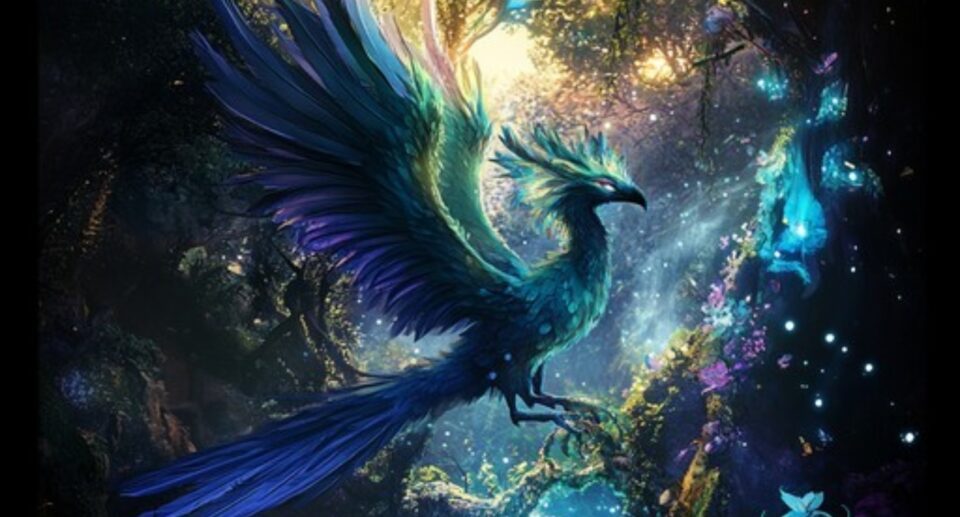
Birds soar through Celtic mythology with a grace that feels almost otherworldly. When you explore Ireland and Scotland’s ancient stories, you find birds acting as guides, omens, shape-shifters, and companions of gods. Their presence gives Celtic myths a sense of movement, like the wind carrying stories from one realm to another.
In this guide, I’ll walk you through the most powerful bird symbols in Celtic belief and the meanings behind them. If you love exploring the deeper layers of myth, you may also enjoy our other mythology articles, like the Legend of the Fairy Glen and the world of Selkies in Folklore.
Birds as Messengers of the Otherworld
In Celtic tradition, birds often cross the boundary between the mortal realm and the Otherworld. Their ability to fly made them natural symbols of transcendence and communication with spirits, gods, or ancestors.
Many Irish stories describe birds guiding heroes through fog, forests, or enchanted journeys. Their songs sometimes serve as divine signals, offering warnings or reassurance during times of uncertainty.
Ravens and Crows: Harbingers of Battle and Prophecy
Few birds carry more symbolic weight in Celtic lore than ravens and crows. They appear in legends as guardians of battlefields, and their presence hints at fate weaving itself into human events.
The Morrígan, the Irish goddess of war and sovereignty, shape-shifts into a crow. She watches conflicts unfold and sometimes influences the outcome. To the Celts, seeing a crow wasn’t simply a moment in nature, it was a message.
Ravens also act as keepers of memory. They stand between life and death, reminding us of the delicate edge where fate rests.

You can explore more symbols tied to the gods in our article on Lugh, the Celtic Sun God.
Swans: Symbols of Transformation and Beauty
Swans glide through Celtic myths with an almost sacred softness. They symbolize purity, love, and spiritual transformation. You see this clearly in the Irish tale The Children of Lir, where four siblings transform into swans and wander the waters of Ireland for centuries.
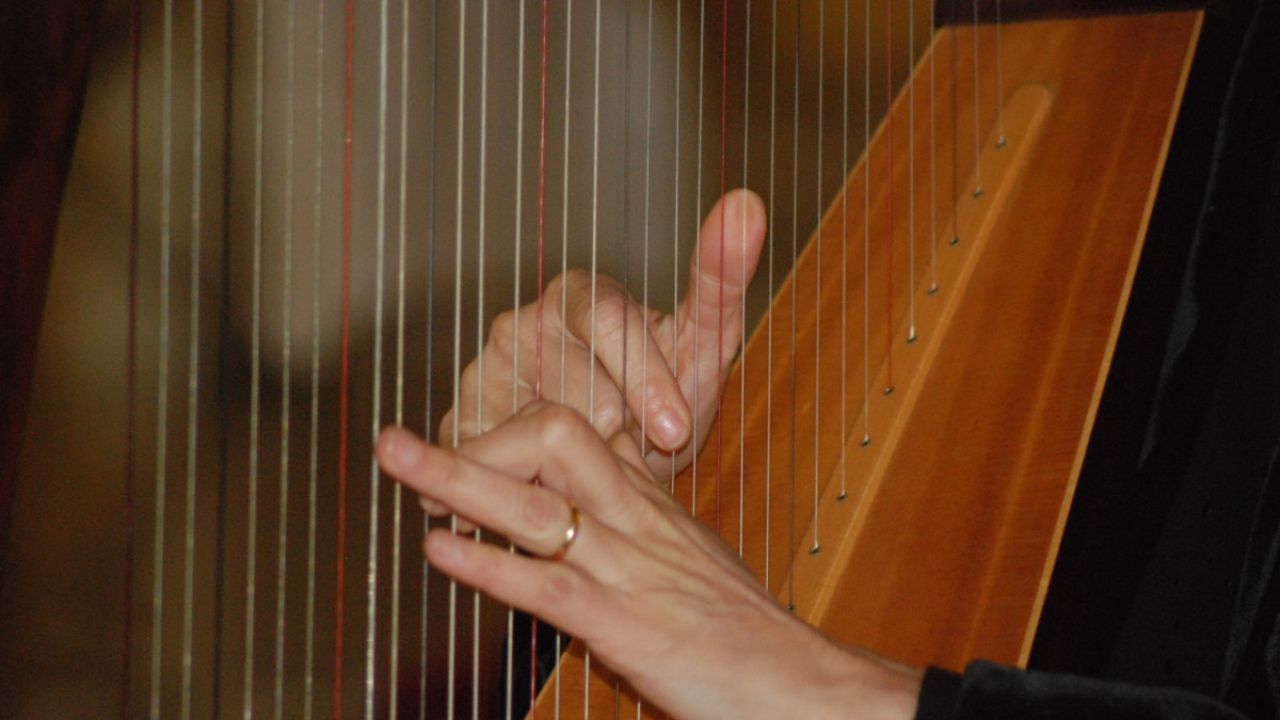
Swans also represent musical harmony. Their elegance often connects to the rich musical culture of the Celts—something you can explore further in our guide to the Celtic Harp (Clarsach).

Owls: Guardians of Wisdom and Night
In Celtic mythology, owls watch the world from the shadows and carry wisdom that belongs to nighttime. Their keen sight symbolizes deeper understanding, especially the kind found in quiet reflection.
Owls guide those who seek hidden truths or spiritual clarity. Their presence feels both comforting and mysterious, reminding the Celts that the night carries its own form of knowledge.

To explore more nature-related symbolism, you may enjoy reading about the Celtic Oak Tree, another powerful figure in Celtic belief.
Eagles: Strength, High Vision, and Divine Kingship
Eagles soar higher than any other bird in Celtic stories. They represent courage, sharp judgment, and kingship. Many heroic tales describe warriors who seek an “eagle’s sight”, the clarity to view life from a greater height.
In Scottish tradition, the eagle often appears perched on rugged mountains, symbolizing resilience. If you enjoy journeys through Celtic landscapes, explore our travel features like the guide to the Isle of Mull.

Birdsong as Spiritual Language
Birdsong mattered deeply to the Celts. It wasn’t just melody; it was a language of the land. Poets and storytellers believed birds carried memories of old worlds, especially in Irish oral tradition, a theme we explore in Why Irish People Are Natural Storytellers.
Listening to birds brought comfort, guidance, and at times, warnings. Their voices offered a bridge to the past, making nature itself part of Celtic identity.

Final Thoughts
Birds didn’t simply appear in Celtic mythology, they shaped it. They guided heroes, warned of danger, brought messages from the divine, and symbolized everything from war to love. Their symbolic depth reveals how closely the Celts watched the natural world and how gracefully they wove its rhythms into their stories.
If you want to explore more Celtic myths, browse our Mythology & Folklore category or visit the CeltGuide blog for more articles.