Celtic Banshee Legends: The Wailing Spirit of Ireland

Few figures in Celtic folklore inspire as much fascination and unease as the Banshee. Known in Irish as Bean Sí or Bean Sídhe, meaning “woman of the fairy mound,” the Banshee does not bring death. She announces it.
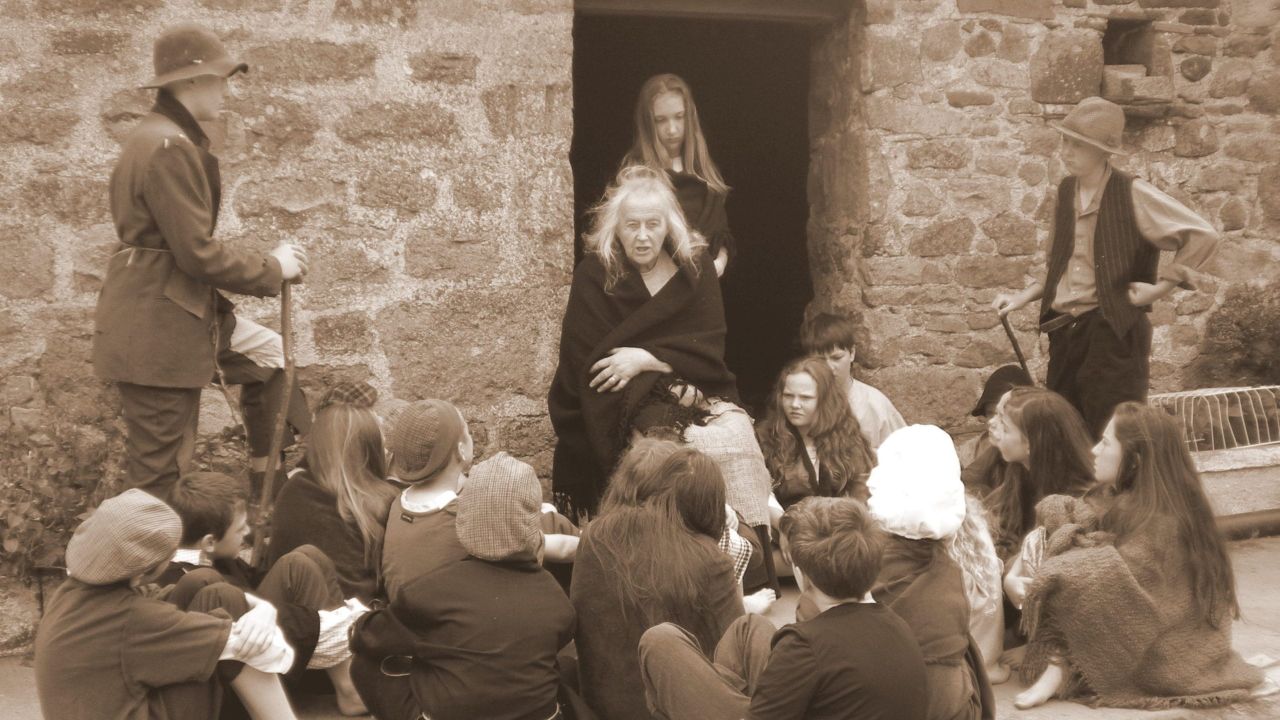
Her cry echoes through Ireland’s storytelling tradition, where spoken memory carries as much weight as written history. This deep oral culture explains why such legends endure, a theme explored further in why Irish people are natural storytellers.
The Banshee belongs to that world of remembered sound rather than visible threat.
Who Is the Banshee in Celtic Tradition?
The Banshee appears as a female spirit tied to certain Irish families, particularly those with ancient Gaelic lineage. She often emerges at night, keening or wailing outside a home. Her cry warns that death approaches.
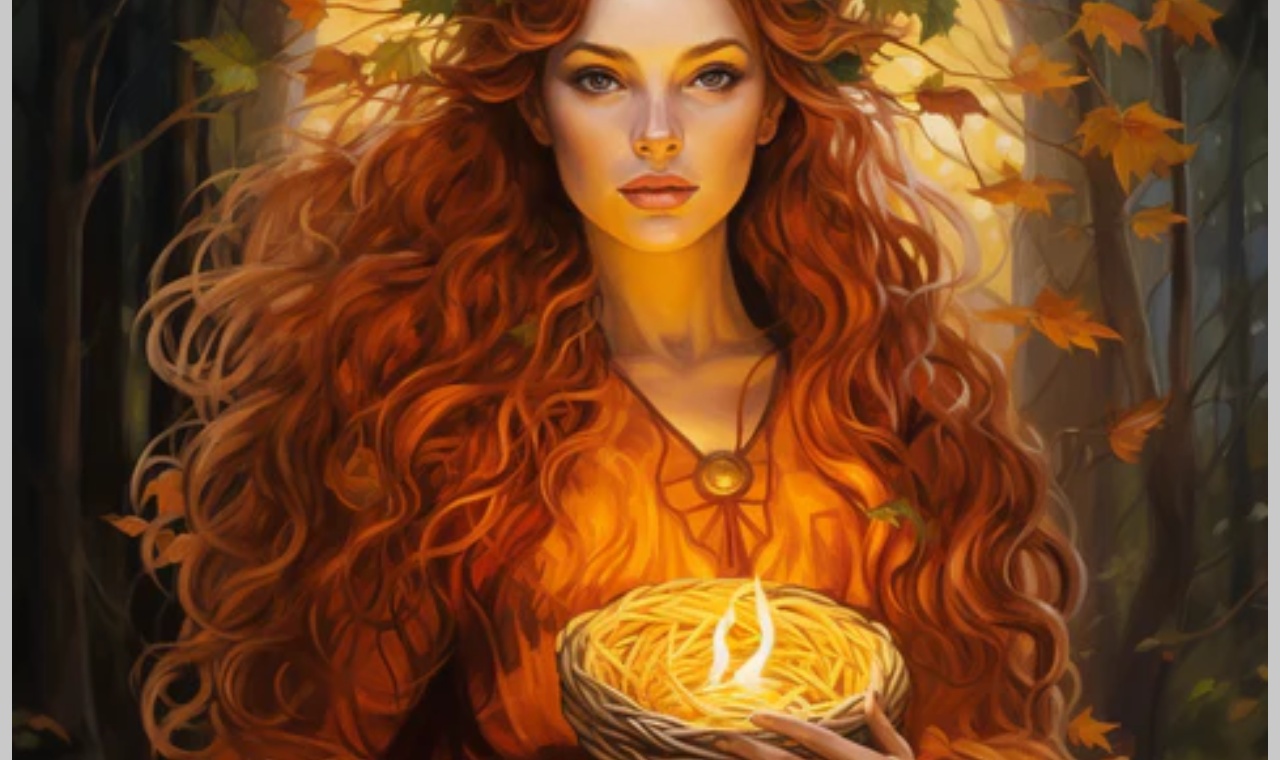
Descriptions vary. Some accounts portray her as a young woman with flowing hair. Others describe her as an old crone with red, weeping eyes. These shifting forms reflect Ireland’s layered folklore rather than contradiction.
The Banshee does not act with malice. She fulfills a role, remembers, and warns.
The Meaning Behind the Banshee’s Cry
The Banshee’s wail resembles caoineadh, the traditional Irish lament performed at funerals. This connection links her directly to human mourning practices.
Irish wake traditions often embraced grief as a communal experience, not a private one. That same worldview appears in the Banshee legend. Her cry externalizes loss before it arrives.
For a deeper understanding of how grief and ritual shape Irish culture, see Heartbeat of Farewell: Irish Wake Traditions Through a Celtic Lens.

Fairy Mounds, Sacred Landscapes, and the Otherworld
The Banshee belongs to the Otherworld, a realm closely tied to Ireland’s sacred geography. Fairy mounds, ancient hills, and burial sites serve as gateways between worlds.
Places such as the Hill of Tara held political and spiritual authority in early Ireland. Legends often place supernatural beings near such landscapes, reinforcing the idea that land itself holds memory.
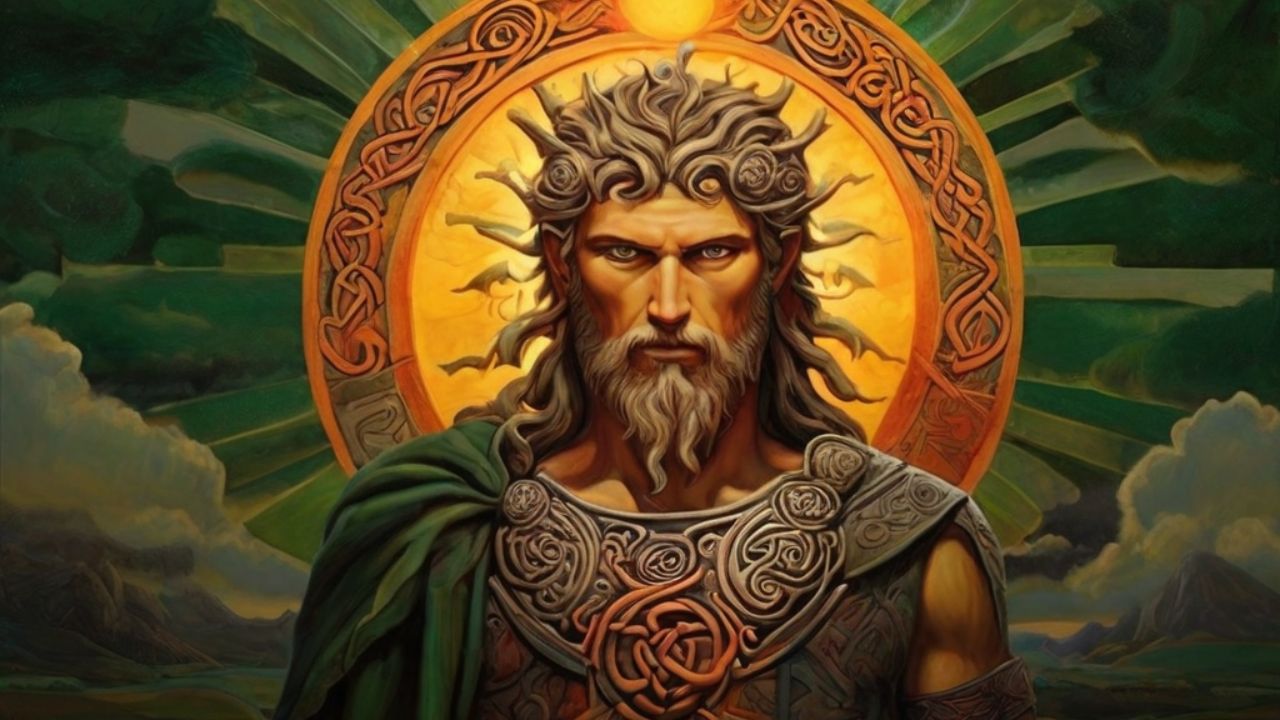
This belief echoes across Celtic mythology, including tales of divine beings like Lugh, the Celtic sun god, who also bridges human and supernatural realms.
Family, Lineage, and Ancestral Memory
One of the most striking elements of Banshee lore involves family connection. She does not appear for strangers. She follows bloodlines.
Some traditions claim that each ancient Irish family has its own Banshee. Her presence signals continuity rather than fear. She remembers ancestors and announces transitions.
This deep respect for lineage mirrors the importance of clan identity explored in how many Scottish clans and across Gaelic societies more broadly.
Was the Banshee Always Feared?
Modern depictions often portray the Banshee as terrifying. Earlier folklore tells a more nuanced story. She acts as a messenger, not a predator.
Fear entered the legend later, influenced by Gothic literature and popular media. Traditional accounts treat her with solemn respect. She performs emotional labor on behalf of the community.
This shift shows how folklore adapts across time while preserving its core meaning.
The Banshee in Modern Culture
Today, the Banshee appears in films, novels, and art. Yet her symbolic role remains intact. She represents memory, loss, and transition.
Much like other enduring Celtic symbols carved into stone, her story continues through reinterpretation. You can see similar symbolic endurance in Celtic stone carvings, where meaning survives centuries of change.
The Banshee remains relevant because death, remembrance, and family still shape human experience.
Why Celtic Banshee Legends Still Matter
The Celtic Banshee legend reminds us that death once carried ritual, sound, and shared acknowledgment. Silence came later.
She does not haunt. She announces, stands between worlds and gives voice to what cannot remain unspoken.
In that sense, the Banshee is not a ghost. She is a guardian of memory.