Ceann Mòr: The Power and Responsibility of a Scottish Clan Leader
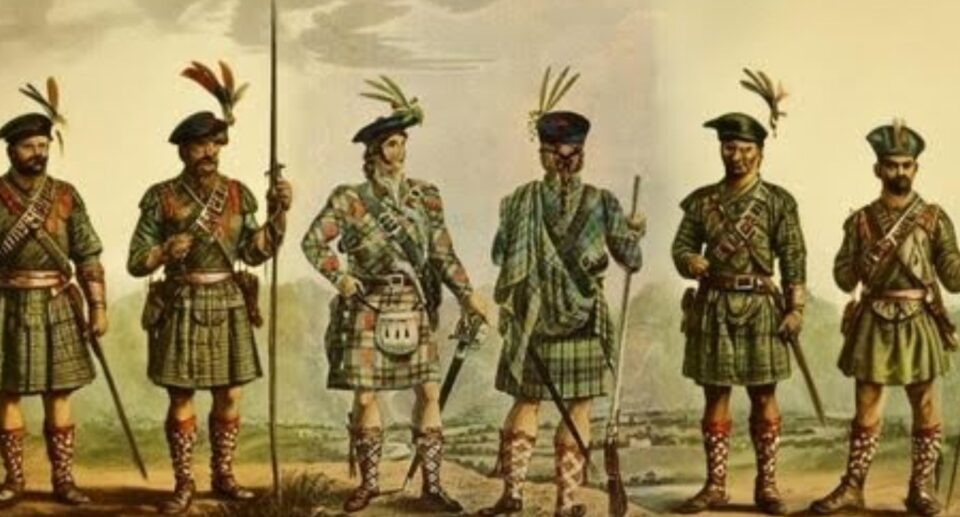
In Gaelic, Ceann Mòr means “great head”, the person who stands at the center of a clan’s life.
Not simply a chieftain, the Ceann Mòr guided land, law, loyalty, and survival. When we talk about Scottish identity today, we still feel echoes of this role.
And that is what makes the Ceann Mòr fascinating. Clan leadership reached far beyond politics; it shaped culture, kinship, and belonging.
(If you’re new to clan structures, it also helps to read our overview on How Many Scottish Clans Exist? first.)
What Did “Ceann Mòr” Actually Mean?
“Head of the people” captures it well but history adds nuance.
The Ceann Mòr did not rule as a distant monarch. He lived among the people. He walked the same hills, hunted the same glens, and often fought at the front of the line.
Honor mattered. So did generosity. A clan expected fairness in judgment, strength in crisis, and hospitality in peace.
It mirrors a wider Celtic pattern you can also see in storytelling traditions, explored beautifully in
Why Are Irish People Natural Storytellers?.
How the Ceann Mòr Led the Clan
A Ceann Mòr wore several hats at once; warrior, judge, diplomat, strategist, and symbolic father of the clan.
1. Protector of Land and People
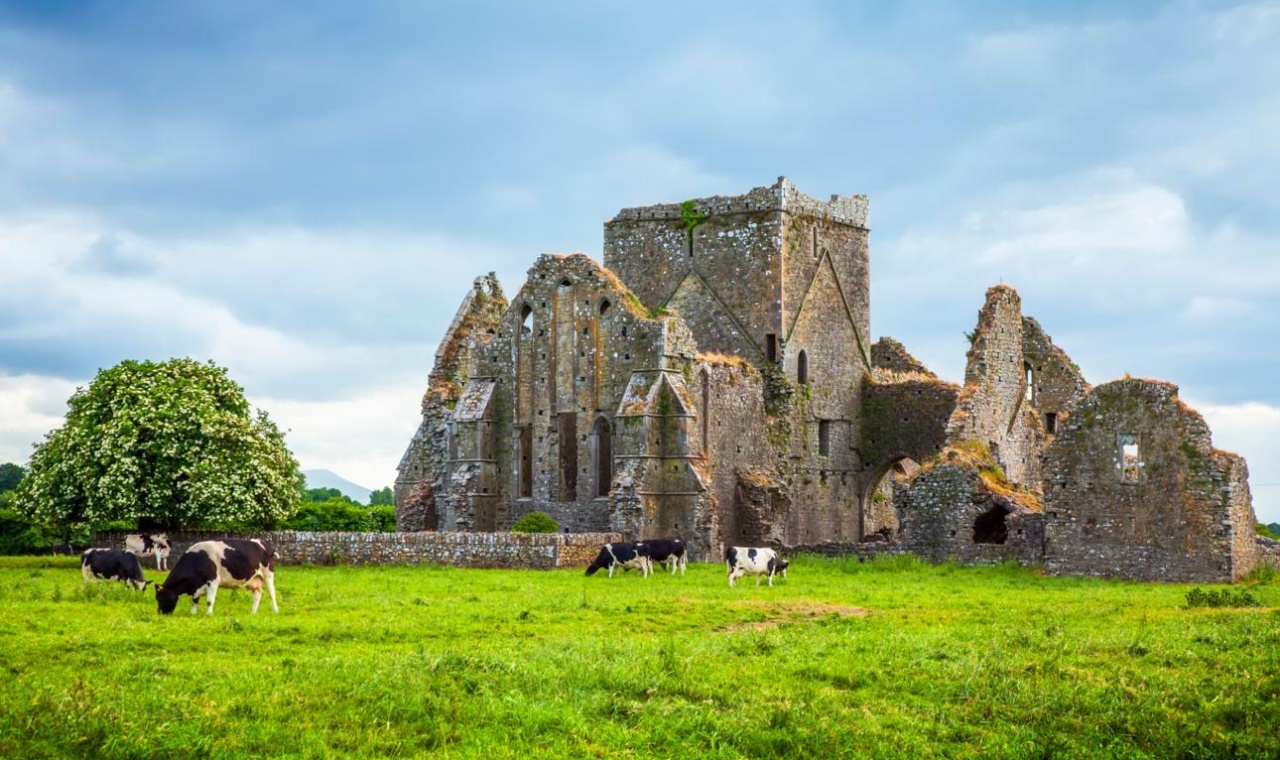
Land defined identity. The Ceann Mòr defended pastures, rivers, and forests.
Loss of land meant loss of ancestry. This deep sense of territorial belonging still shapes Highland memory.
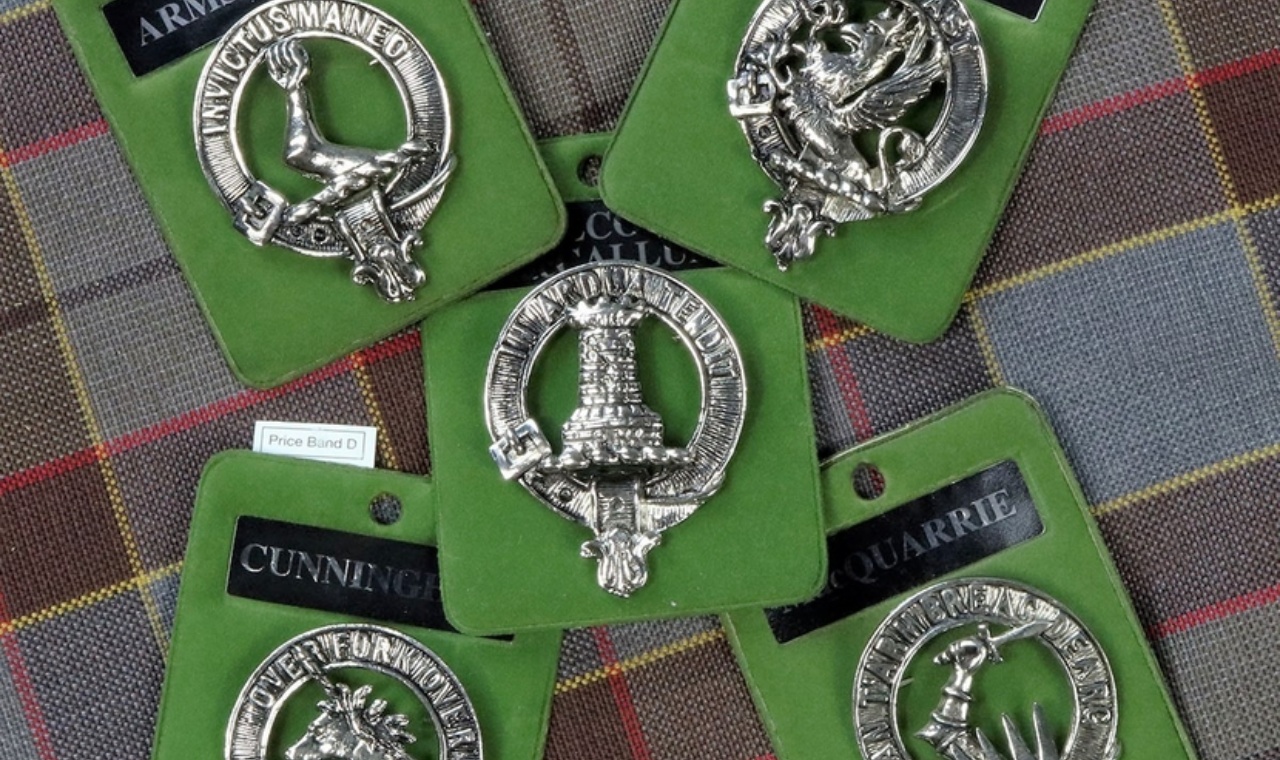
For broader heritage context, see our guide on What Is Tartan? where pattern meets place.
2. Keeper of Justice
Disputes rose often: grazing rights, marriage arrangements, alliances.
The Ceann Mòr listened, gathered elders, and settled conflicts. His word carried weight because it rested on custom and reputation.
3. Maker of Alliances
Marriage agreements, fosterage, and oaths kept clans woven together.
A wise Ceann Mòr built bridges rather than walls, especially when rivalries threatened bloodshed.
You can see this diplomacy echoed in symbolic artifacts like the Claddagh Ring, where loyalty, love, and friendship meet.
The Ceann Mòr in Times of War
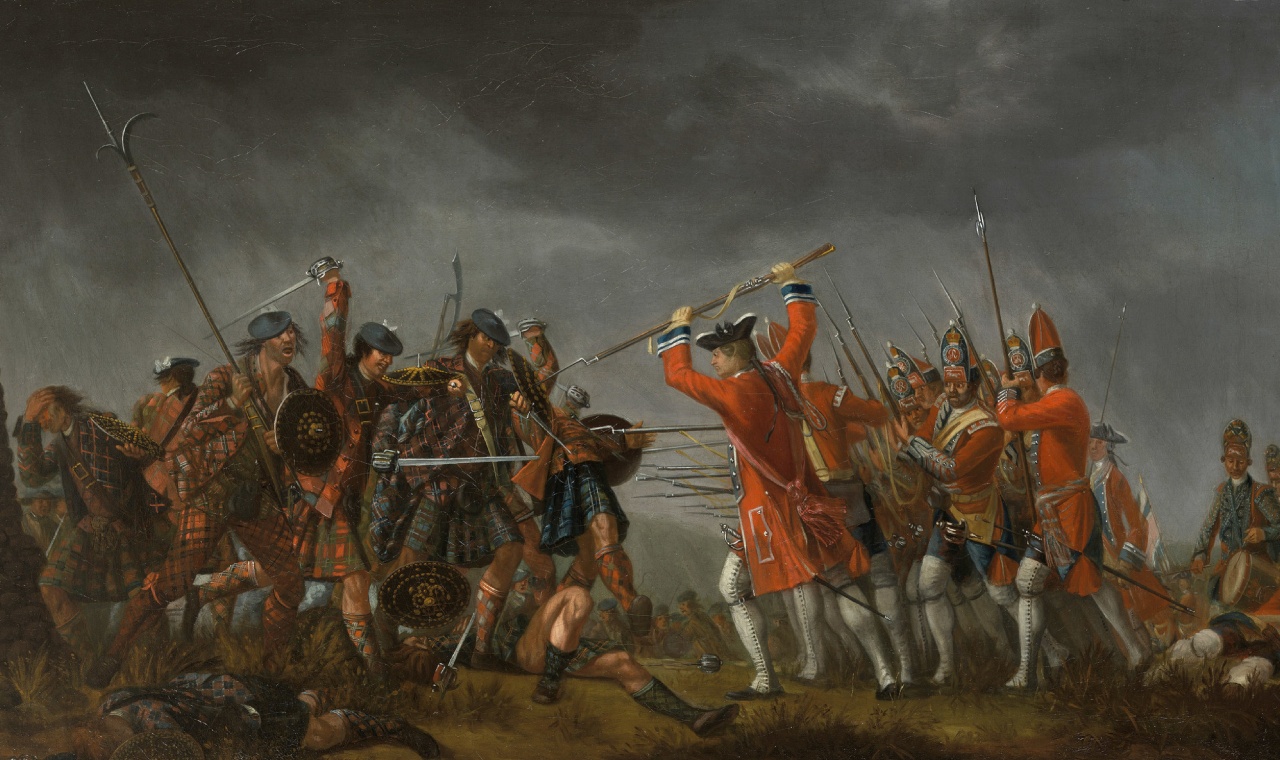
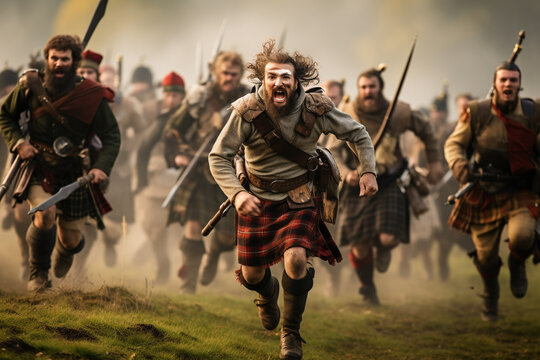
When danger approached, the Ceann Mòr rode first. Courage inspired loyalty.
Clans followed him not because they feared punishment, but because they trusted his honor.
Yet the role demanded sacrifice. A poor decision could cost generations.
For a glimpse of how conflict shaped communities, explore our article on The Influence of the Irish Potato Famine — different context, same human resilience.
Leadership Rooted in Culture, Not Ego
A Ceann Mòr did not simply take loyalty, he earned it.
He hosted feasts, remembered names, honored the dead and protected the living.
Clan members, in turn, carried pride. You can sense that emotional bond whenever tartan appears in ceremony, or when communities gather to speak their language, sing, or dance.
If cultural memory interests you, our feature on Celtic Stone Carvings shows how people preserved stories in stone as well as song.
Why the Ceann Mòr Still Matters Today
Modern Scotland looks different. Clans no longer govern territory. Yet the idea of responsible leadership remains powerful.
We admire leaders who listen.
We respect leaders who protect community first.
And we remember leaders who understand that status comes with duty.
The Ceann Mòr reminds us that heritage thrives when power serves people, not the other way around.
To keep exploring Scotland’s layered past, browse our full archive at
CeltGuide Blog.
Final Thought
The Ceann Mòr was never only a title. It was a promise to stand at the heart of a people, steady and accountable, generation after generation.