The Darien Scheme: Scotland’s Failed Panama Colony
The Darien Scheme was Scotland’s disastrous attempt to establish a trading colony on the Isthmus of Panama at the end of the seventeenth century. The Company of Scotland sent settlers to “New Caledonia” in 1698 and 1699. Disease, shortages, poor planning, diplomatic isolation and Spanish opposition destroyed the project. The losses damaged investors and sharpened debate about Scotland’s economic future before the Union of 1707. The story also belongs to the history of colonial intrusion into Indigenous homelands, not only to a Scottish tale of misfortune.
Why did Scotland back the scheme?
Scottish merchants and politicians sought a larger role in global trade at a time when imperial monopolies restricted access. William Paterson promoted a settlement near the narrow land crossing between Atlantic and Pacific waters, imagining a hub for commerce. The Scottish Parliament established the Company of Scotland Trading to Africa and the Indies in 1695. According to the National Library of Scotland’s Darien exhibition, English investors withdrew after opposition from King William and the English Parliament, but Scots subscribed £400,000 by August 1696.
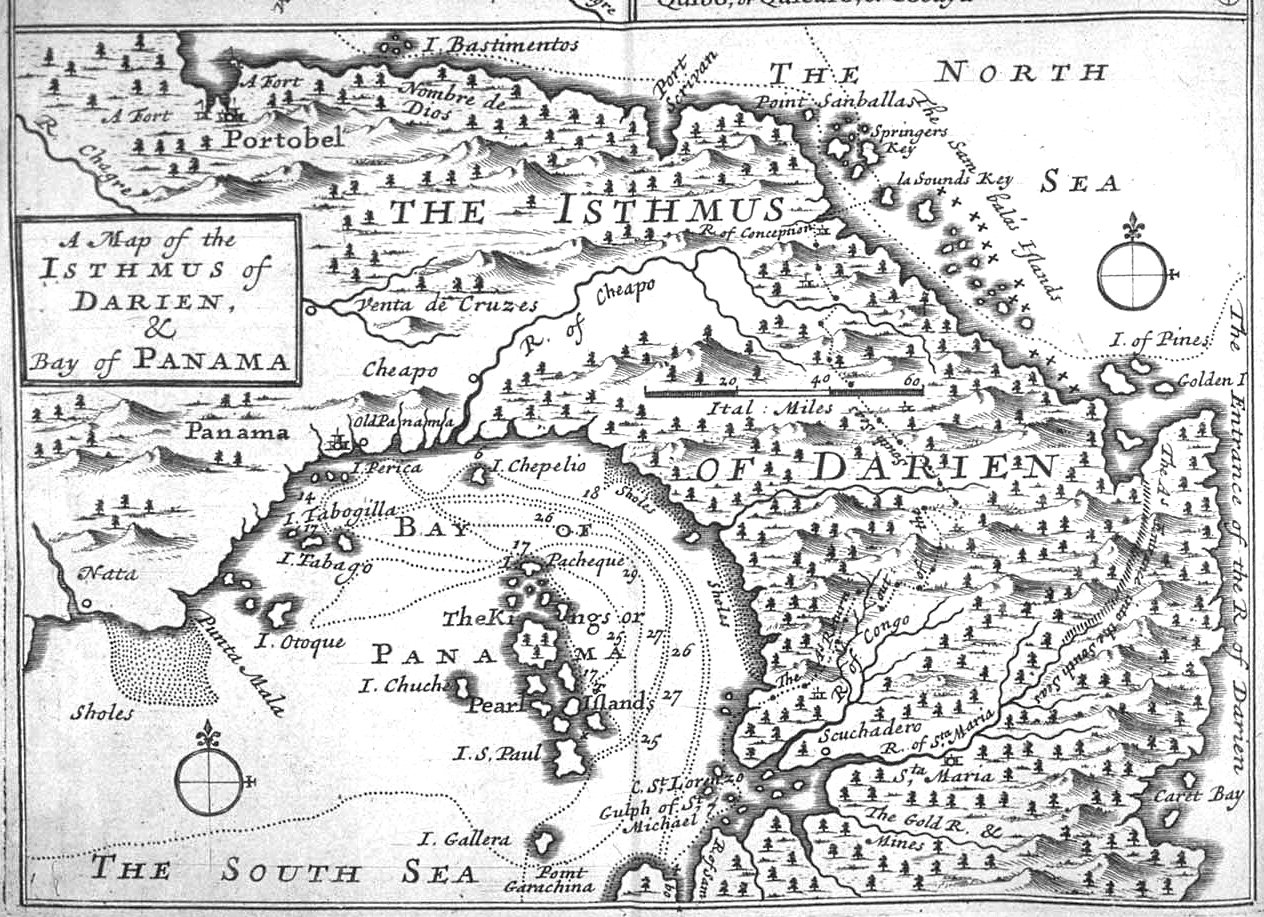
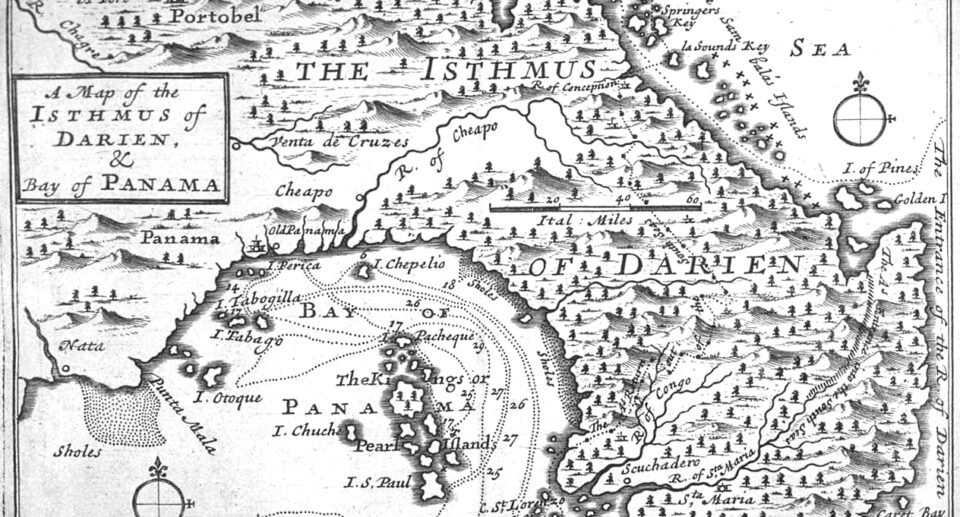
The scale of subscriptions made the enterprise a national investment for many participants, though it was a company venture rather than an action supported equally by every Scot. The proposed commercial passage also underestimated geography, disease, competing imperial claims and the people already living in the region. A map could make the isthmus look like an opportunity; a viable settlement required food, supplies, allies and secure trading partners.
What happened in New Caledonia?
Five ships left Leith in July 1698 with about 1,200 people. They reached Darien in November and established a settlement called New Caledonia. Colonists cleared land and attempted to grow food and trade. Disease and hunger spread; the goods they had brought did not create the commerce its promoters had promised. English colonies were ordered not to assist, while Spain regarded the settlement as an intrusion into its claimed territory.
The first expedition abandoned the settlement in 1699. A second expedition sailed before reliable news of the collapse had reached Scotland and found a much harder situation than expected. The settlers faced Spanish military pressure and surrendered in 1700. Surviving letters, company records and maps in the National Library’s collection let us see decisions and experiences more closely than the familiar shorthand of “a failed investment.” They also record relations with local Indigenous leaders, whose agency should not disappear from an account centred on European schemes.
Did Darien cause the Union of 1707?
The financial shock made union with England more attractive to some powerful investors and politicians, but it was not the sole cause. Questions of succession, security, trade and parliamentary sovereignty were also at stake. Under the Treaty of Union, the “Equivalent” payment of about £398,000 served several purposes, including compensation for losses in the Company of Scotland. It did not simply buy a nation, nor did every Scot accept the settlement.
The National Library’s Darien and Union timeline places the collapse in the wider political argument. The chronology matters: the first ships sailed in 1698, the settlement ended by 1700, and parliamentary union followed in 1707 after years of negotiation. A direct line from one failed colony to one inevitable outcome flattens the choices made in between.
Questions readers often ask
Where was Darien? The Scottish settlement was on the Caribbean side of the Isthmus of Panama, in the region now generally called Darién.
Why did the colony fail? Disease, insufficient food and useful trade, weak external support and Spanish opposition combined. No single cause explains every stage.
Did all Scots invest? No. Many subscribed, and the losses had wide political consequences, but the company was not a universal national subscription.
What the scheme reveals
Darien shows both the ambition and the danger in Scotland’s entry into Atlantic imperial commerce. A different Scottish experience of that Atlantic world appears in our profile of William Kidd, privateer and pirate. The human cost included settlers who died or returned sick, investors who lost money, and Indigenous communities whose lands Europeans tried to claim for their own purposes. Holding those histories together makes the project intelligible without turning it into a simple morality tale about Scottish victimhood.
Featured image: 1697 map of the Isthmus of Darien and Panama, via Wikimedia Commons, public domain.