Gaelic War Songs: Battle, Memory, and Identity
Gaelic war songs carry the emotional weight of centuries. They echo across battlefields, glens, and memory itself. These songs did more than stir courage. They preserved history, reinforced clan identity, and bound warriors together through sound.
In Gaelic-speaking Scotland and Ireland, music functioned as both weapon and witness. A war song could inspire fear in enemies and pride in allies. As a scholar of Celtic cultural expression, I see these songs as living archives rather than relics. They speak directly, without ornament, and they demand to be heard.
For readers exploring Celtic soundscapes more broadly, the CeltGuide Blog offers valuable cultural context.
What Are Gaelic War Songs?
Gaelic war songs include chants, marching songs, and vocal laments associated with conflict. Some celebrated victory. Others prepared warriors for combat. Many mourned the dead. Unlike later military anthems, these songs often named individuals, places, and clans.
Oral tradition preserved them. Storytelling mattered deeply in Gaelic culture, which explains why music and narrative merged so naturally. This tradition connects closely with the themes explored in why Irish people are natural storytellers.
These songs relied on strong rhythm, repetition, and commanding tone. They needed to carry across open land and over the noise of movement.
Music, Clans, and the Call to Arms
In the Highlands, war songs reinforced clan loyalty. A song could function as a sonic banner. When warriors heard familiar lyrics, they knew exactly who stood beside them.
Many songs referenced clan history, legendary battles, and ancestral land. This deep sense of belonging ties closely to the complex structure of Highland society discussed in how many Scottish clans.
Tartan and music often worked together as symbols of identity. While tartan signaled allegiance visually, song carried that message through sound. For readers curious about this visual tradition, what is tartan offers a useful parallel.
Instruments of War and Rhythm
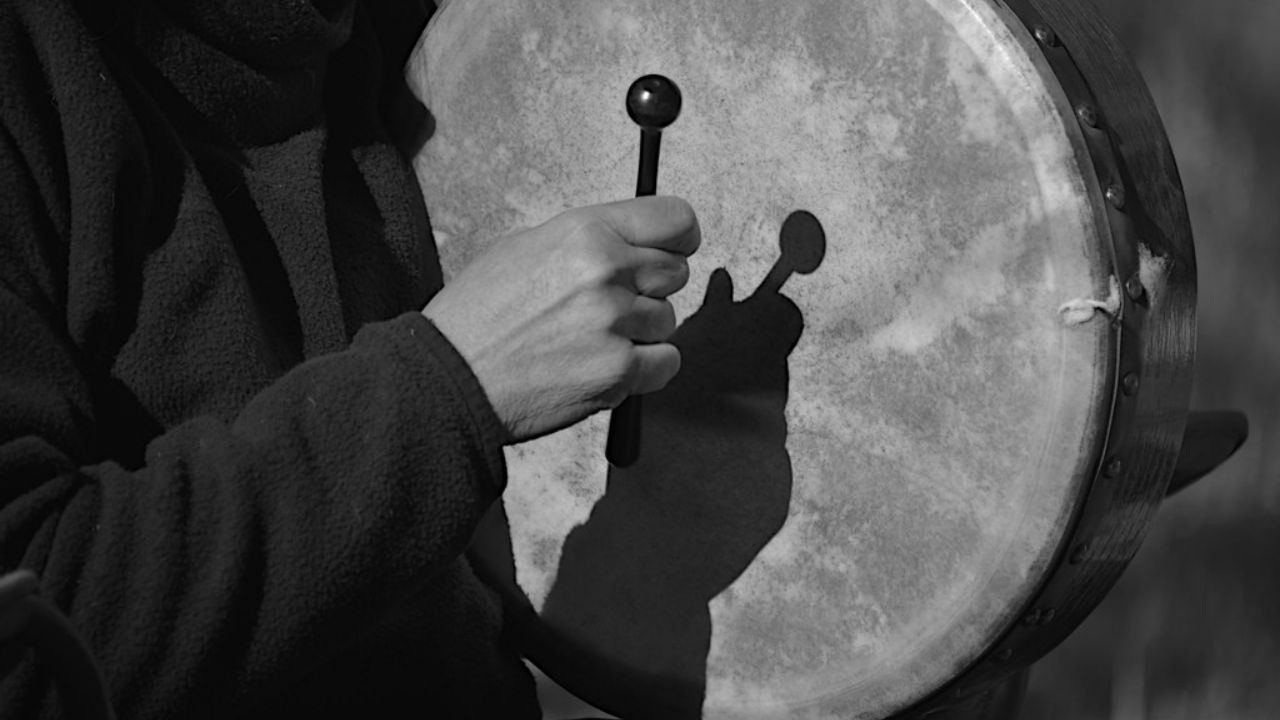
Although many Gaelic war songs relied solely on voice, instruments sometimes reinforced rhythm and morale. Drums played a crucial role. The bodhrán, for example, provided a heartbeat-like pulse that suited marching and preparation.
This rhythmic grounding helped unify groups emotionally and physically. You can explore this instrument further in the bodhrán drum.
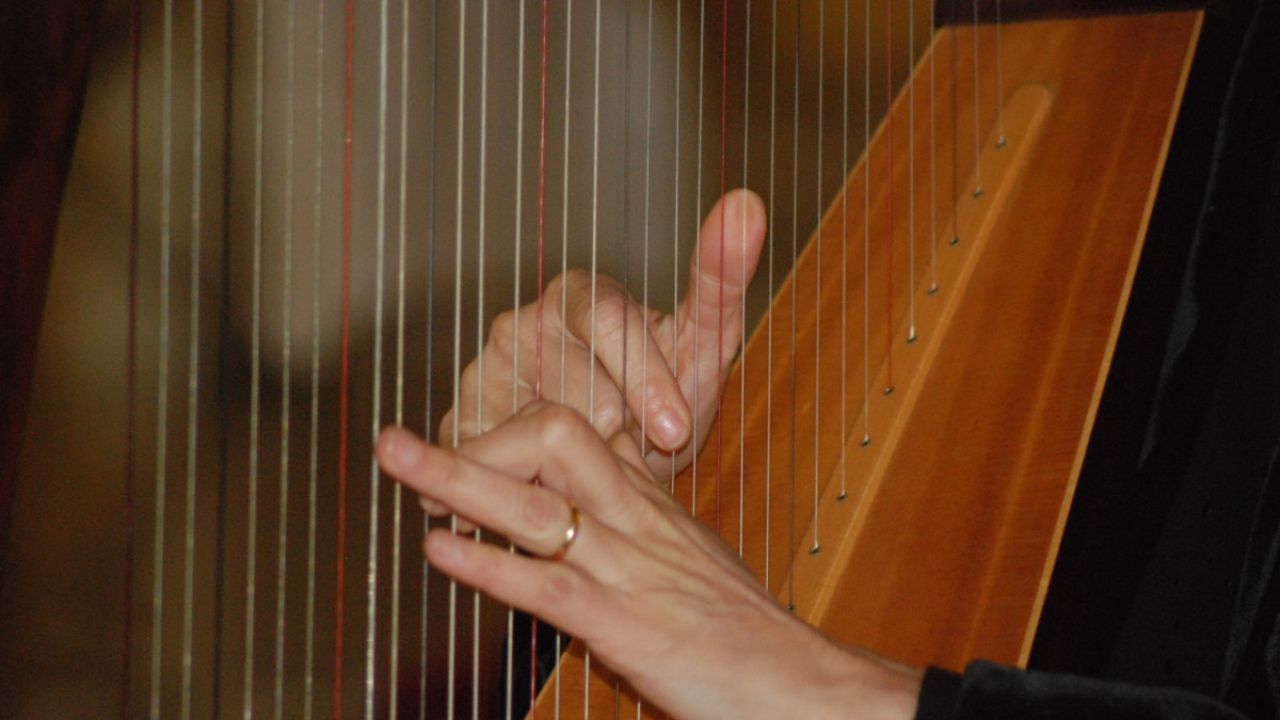
Other instruments, such as the clàrsach, belonged more to courtly or ceremonial contexts, yet their melodies influenced the broader musical landscape. See what is a clarsach for deeper insight.

Language, Power, and Emotion
Gaelic war songs draw much of their strength from language itself. Gaelic favors internal rhyme, alliteration, and strong vowel sounds. These features create intensity and momentum.
Singing in Gaelic also reinforced resistance. During periods of cultural suppression, especially after the Jacobite uprisings, maintaining Gaelic song became an act of defiance. The survival of these songs mirrors the broader preservation of Gaelic texts and traditions explored in Scottish Gaelic Bible translations.
War songs did not glorify violence blindly. Many balanced pride with grief. They acknowledged loss and honored sacrifice, which gives them lasting emotional depth.
From Battlefield to Cultural Memory
Today, Gaelic war songs rarely accompany combat. Yet they remain powerful cultural expressions. Performers sing them at festivals, reenactments, and commemorations. They also appear at events celebrating Highland heritage, such as those discussed in events to watch in Highland Games 2025.
These songs remind modern audiences that music once shaped survival and identity. They also connect listeners to landscapes tied to conflict and memory, including places like Isle of Mull and Loch Lomond.
Why Gaelic War Songs Still Matter
Gaelic war songs endure because they speak honestly. They tell stories of courage, loyalty, loss, and belonging without romantic excess. They also preserve voices often absent from written history.
In studying these songs, we do more than listen to music. We hear how communities understood themselves in moments of extreme pressure. That understanding remains relevant today.
For those interested in the wider musical tradition, fiddle music provides another thread in the rich tapestry of Celtic sound.
Gaelic war songs continue to remind us that culture survives not only in books and artifacts, but in breath, rhythm, and voice.