Scottish Clan Colors and Symbols: What They Really Mean
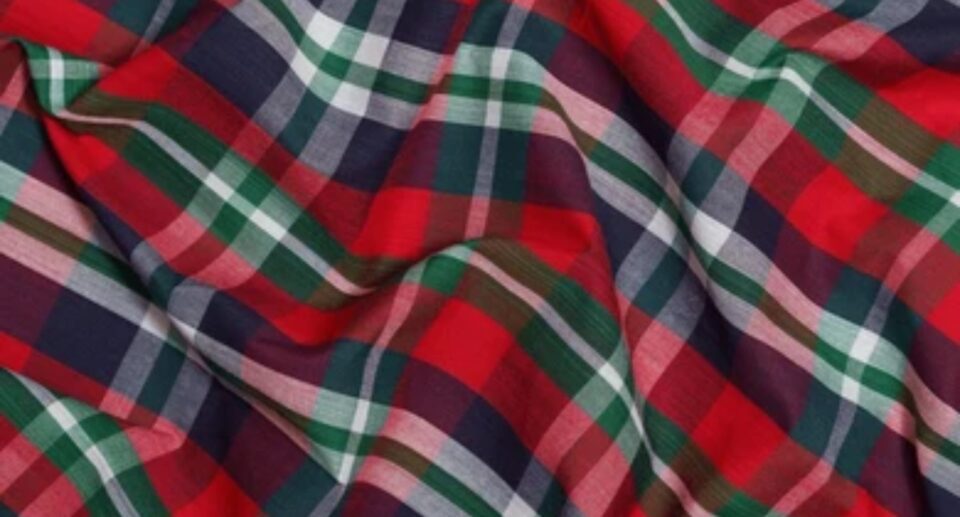
When most people think of Scotland, they imagine bold tartans and proud clan badges. But these colors and symbols do more than decorate kilts. They tell stories, show belonging, and connect families to land, ancestors, and memory.
As someone who spent years studying cultural identity at the University of Edinburgh, I continue to marvel at how clans use visual language. Every stripe, color, and emblem carries purpose. And when you understand that language, Scottish history feels closer.
For a deeper dive into tartan basics, you might enjoy our guide on what tartan really is, it sets the stage beautifully.
Why Colors Matter in Clan Tartans
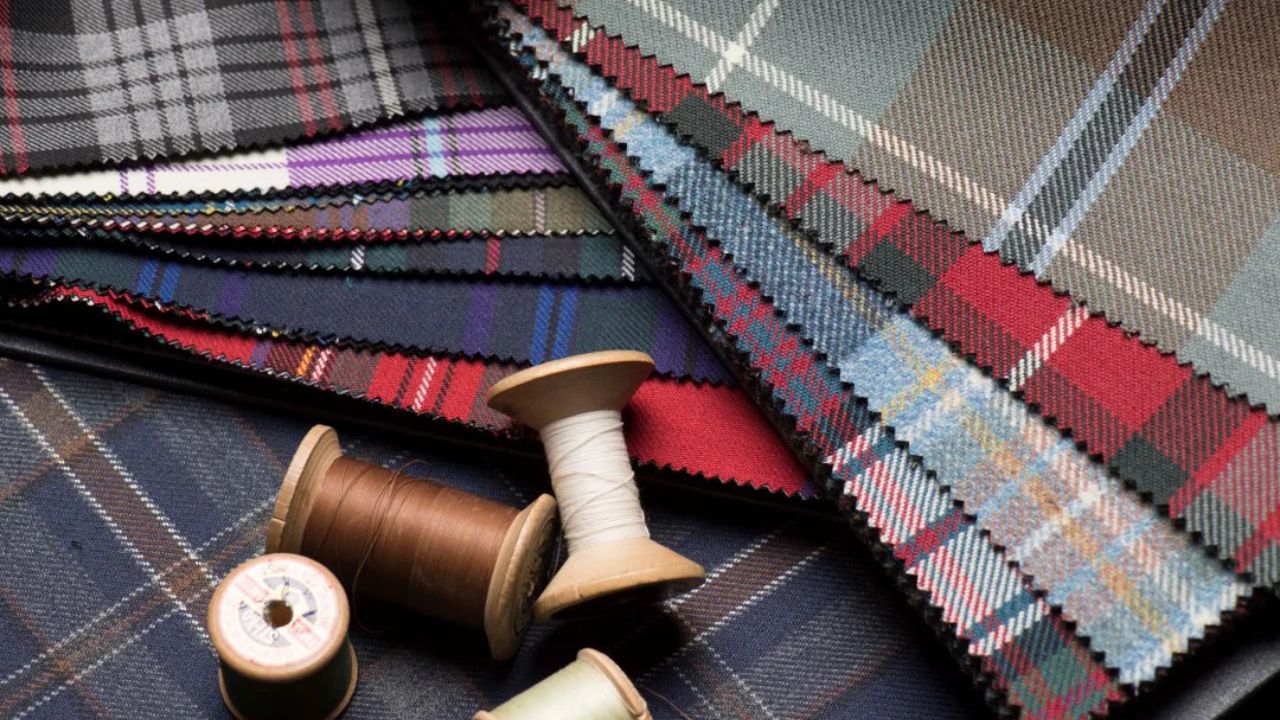
Clan tartans evolved over centuries. They draw inspiration from local plants, regional dyes, and sometimes political loyalties. Each color has emotional weight:
- Green reflects forests and fertile glens.
- Blue evokes deep lochs and wide Highland skies.
- Red often signals courage and readiness for battle.
- Yellow or gold hints at honor or royal connections.
Some believe tartans existed in the distant past. Others argue the tradition developed more formally in the 18th and 19th centuries. If that debate interests you, see how tartan history unfolded in our feature on how long tartan prints have been around.
Crests, Badges, and Mottoes: Identity You Can Wear
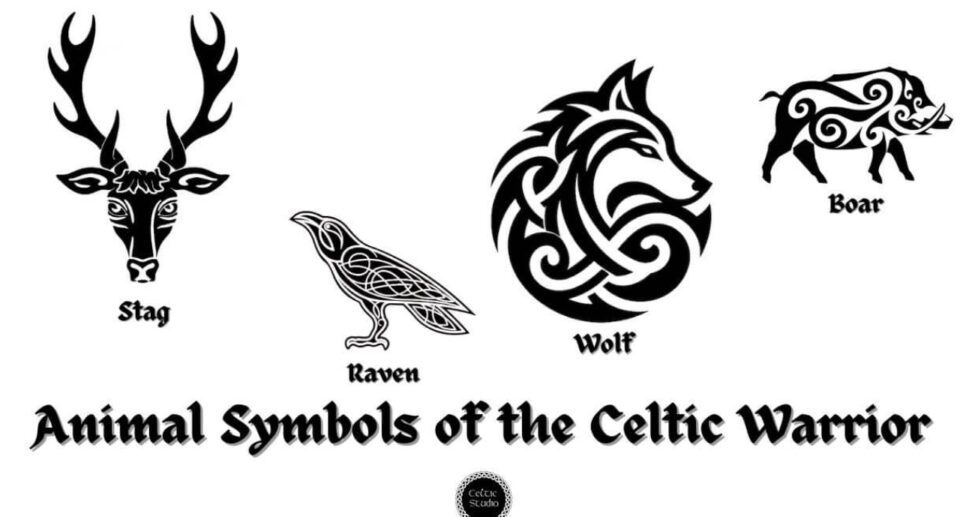
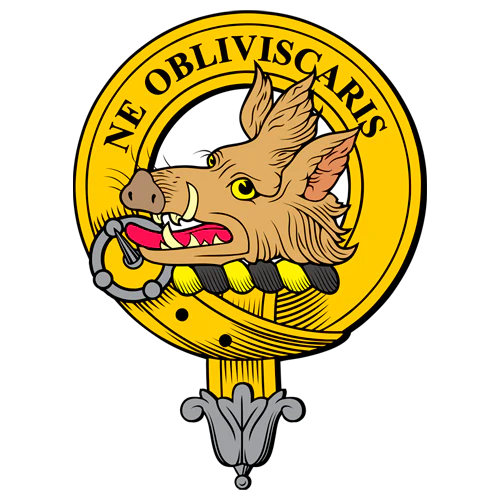
Beyond color, clans display identity through symbols on crests and badges. These often include animals, plants, weapons, and Latin mottoes. A single emblem might summarize centuries of heritage.
A boar, for instance, signals bravery. An oak tree suggests resilience. A raised arm with a sword shows readiness to defend territory.
These symbols appeared on shields, banners, and brooches. Today, they still appear on kilt pins and formal attire. They connect modern families with legendary forebears in a simple, visual way.
Clan Colors and the Land They Belong To
Clan identity grows from landscape. Highland hills shaped communities and values. Waterways formed travel routes. Even the soil influenced dye colors.
When you stand on the shores of Loch Lomond, the palette around you feels familiar. Greens, blues, browns, and greys echo the tartans worn at weddings, gatherings, and Highland Games. If you are curious about this region, our guide to Loch Lomond and the Highlands offers rich context.
The connection between place and tradition runs through many Celtic practices much like the reverence shown toward sacred landscapes and folklore across Scotland and Ireland.
How Many Clans Are There?
People often ask, “So, how many Scottish clans exist?”
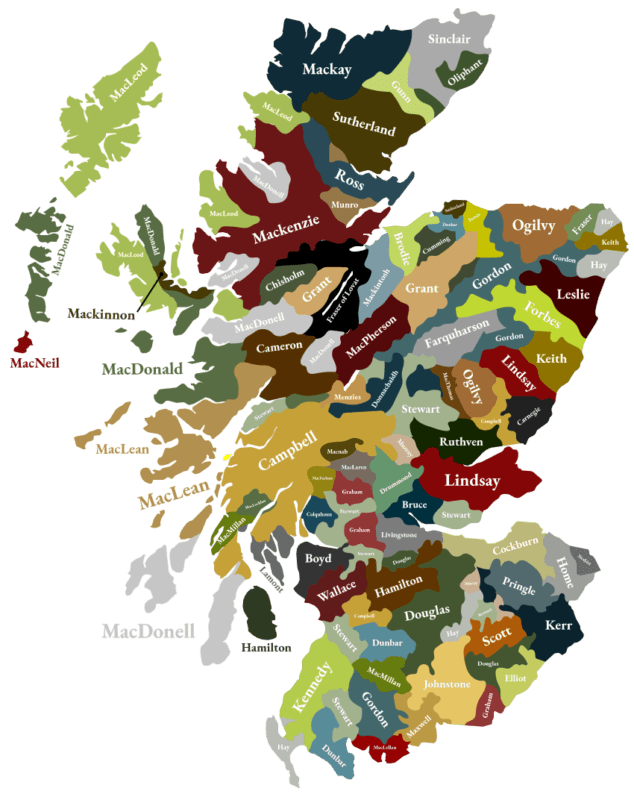
The answer is layered. There are hundreds of recognized clans, along with many sept families linked to them. Each one carries its own tartan variations and symbols. You can explore this question further in our overview of Scottish clan numbers and history.
Clan Colors in Modern Life
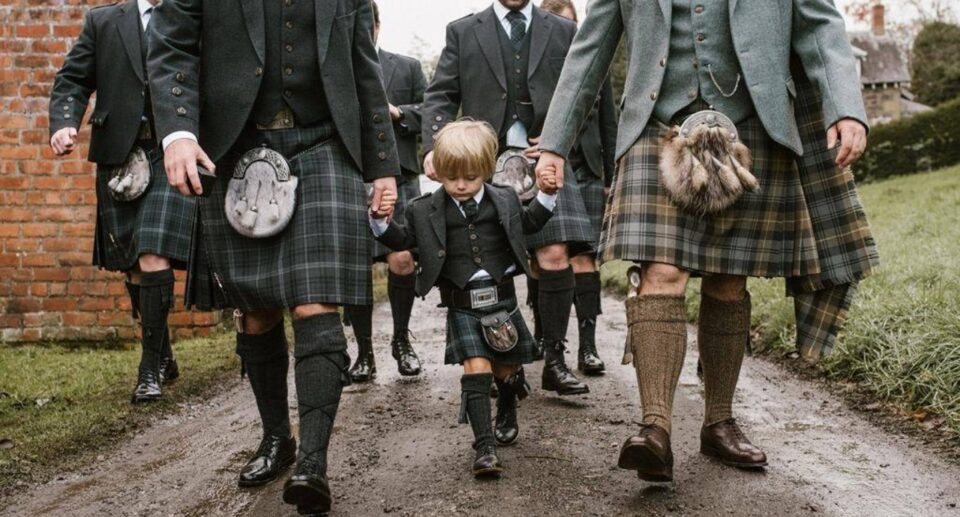
Today, tartans and clan symbols move beyond the battlefield and the bannock table. People wear them at weddings. They appear at festivals, graduations, and even international celebrations.
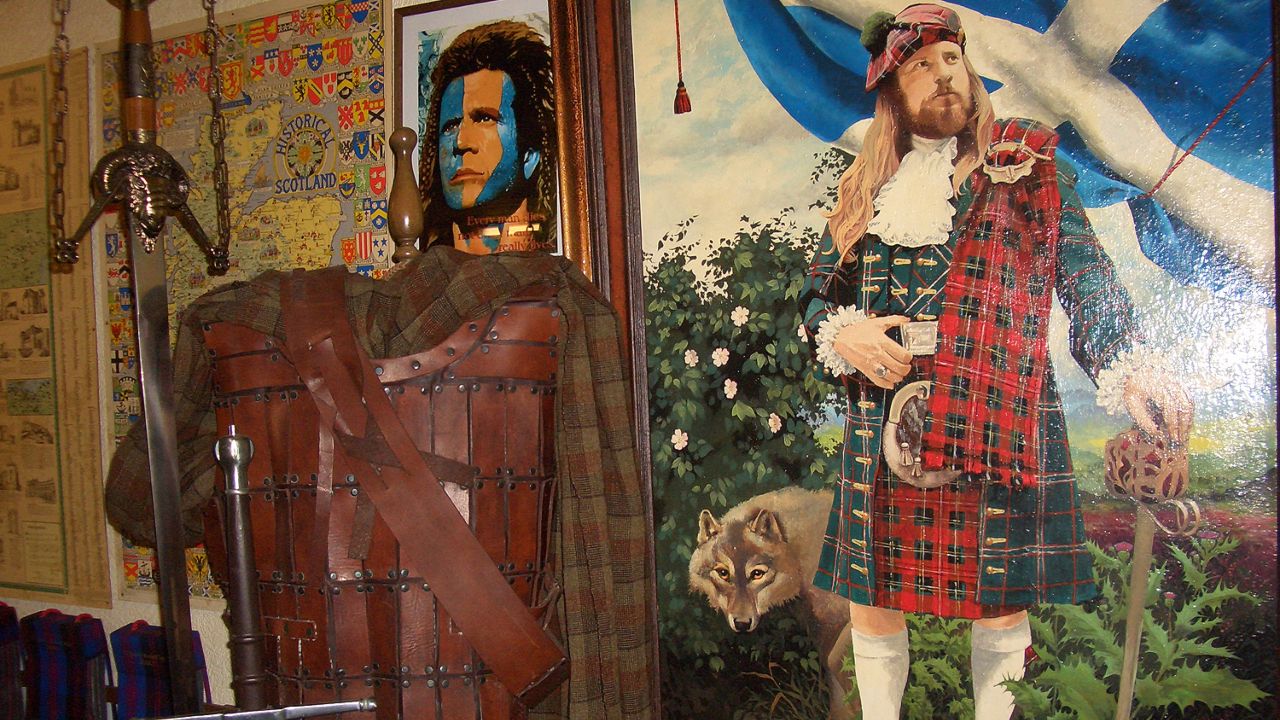
Kilts feature in films, tourism, and cultural sports. If you’re curious about their presence on screen, take a look at how kilts appear in movies and shows.
And if you’re learning how to wear these garments yourself, guides such as how to measure for a kilt can be a friendly starting point.
Final Thoughts: Symbols That Still Speak
Clan colors and symbols remind Scots and the global Scottish diaspora that heritage lives. These designs aren’t mere fashion. They express loyalty, memory, humor, pride, grief, and resilience.
If you want to continue exploring Scottish heritage, our main blog page holds a treasure trove of cultural stories, from folklore to language, music, and beyond.
Scottish clan imagery remains powerful because it invites us to belong. And in a fast-moving world, that sense of belonging feels priceless.