Irish Folklore of the Fairy Forts: Myths, Beliefs & Legacy
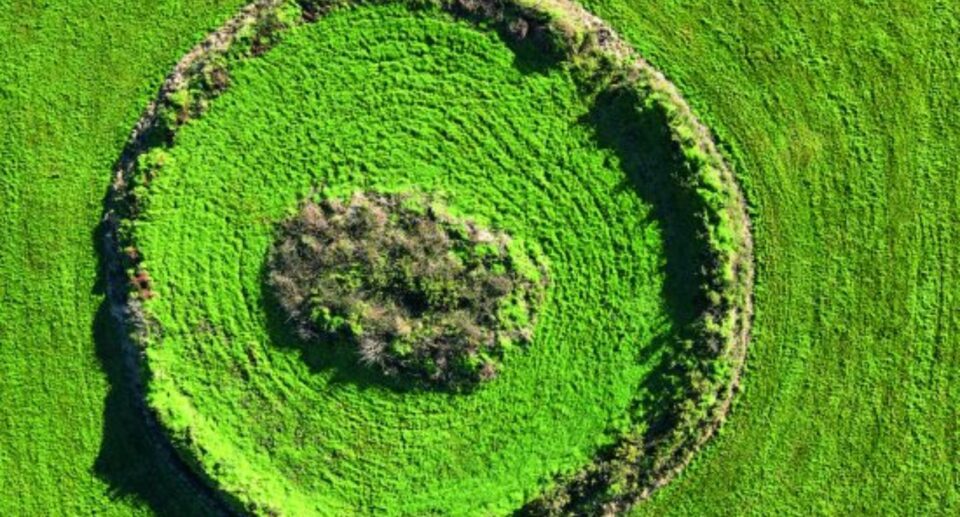
Irish folklore offers many unforgettable stories, but few grip the imagination as tightly as the legends of the fairy forts, mysterious earth circles scattered across Ireland. These quiet rings of grass carry a presence that feels ancient. Locals treat them with respect, and visitors sense their strange pull almost immediately.
Before I explain their meaning, let’s set the scene.
What Exactly Are Fairy Forts?
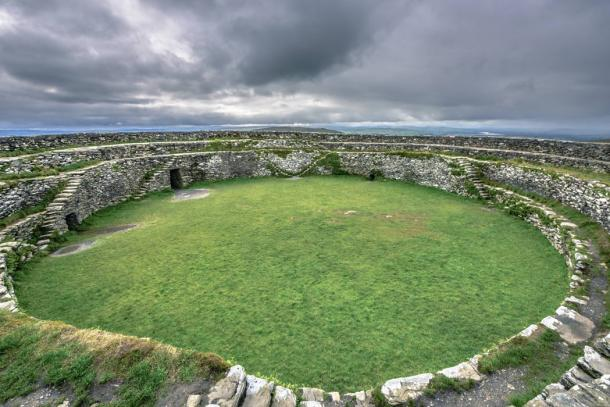
Fairy forts are the remains of early medieval ringforts and circular dwellings. Most date from around 500–1000 AD. Their physical form is simple: a ring-shaped mound with a ditch or embankment. Yet their meaning in Irish culture stretches far deeper.
In folklore, people believed these rings belonged to the Aos Sí, a supernatural race often linked to the Tuatha Dé Danann, the ancient gods of Ireland. Touching or damaging a fairy fort could bring misfortune, so families often protected them for generations.
This deep respect reflects Ireland’s storytelling heritage. If you want to understand how powerful stories shape life here, explore Why Irish People Are Natural Storytellers.
Why Did People Fear the Fairy Forts?
People feared fairy forts not because of violence or harm, but because they represented boundaries. These rings were thought to mark the edge between the human world and the realm of the fairies. Crossing that line carelessly could “invite trouble,” as older generations would say.
Common beliefs included:
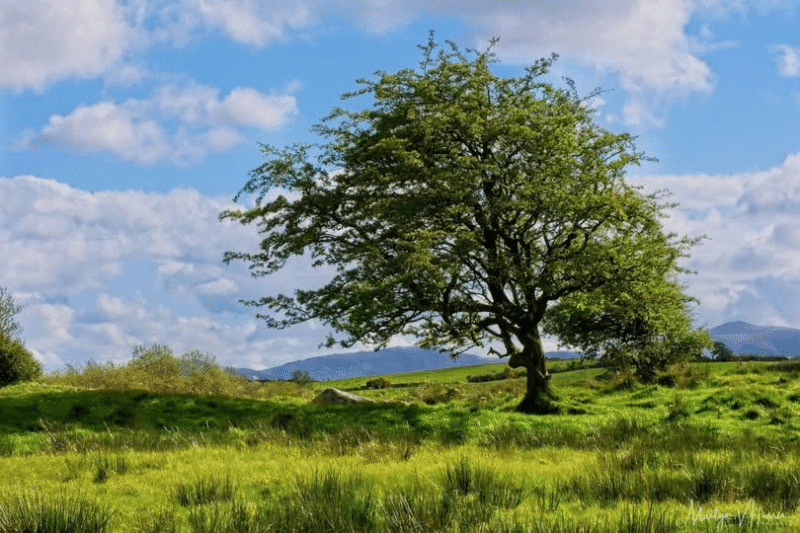
- Cutting a tree growing in a fairy fort brought bad luck.
- Building or farming inside the circle caused illness or loss.
- Passing through a fort at night might reveal wandering fairies.
- Music heard near a fort was a sign that the Aos Sí were close.
This last belief links beautifully to Ireland’s musical heritage. Traditional instruments like the clarsach appear throughout folklore, and you can learn more in What Is a Clarsach?.
Fairy Forts in Everyday Irish Life
Surprisingly, fairy lore shaped practical decisions. Farmers planned fields around them. Roads curved at odd angles to avoid damaging the mounds. Even modern construction projects sometimes shift their routes to respect these sites.
Many people still follow these traditions, even those who don’t truly believe in fairies. It’s a cultural instinct—part heritage, part caution.
Ireland holds similar reverence for natural wonders. If you enjoy exploring sacred sites, you may also like Irish Holy Wells: Portals to the Past.
Are Fairy Forts Really Connected to the Otherworld?
From a folklore perspective, absolutely. The Aos Sí were seen as guardians of Ireland’s hidden world. People believed the forts acted as doorways, which explains why even accidental damage was feared. Not every fairy was kind, and disturbing their homes invited consequences.
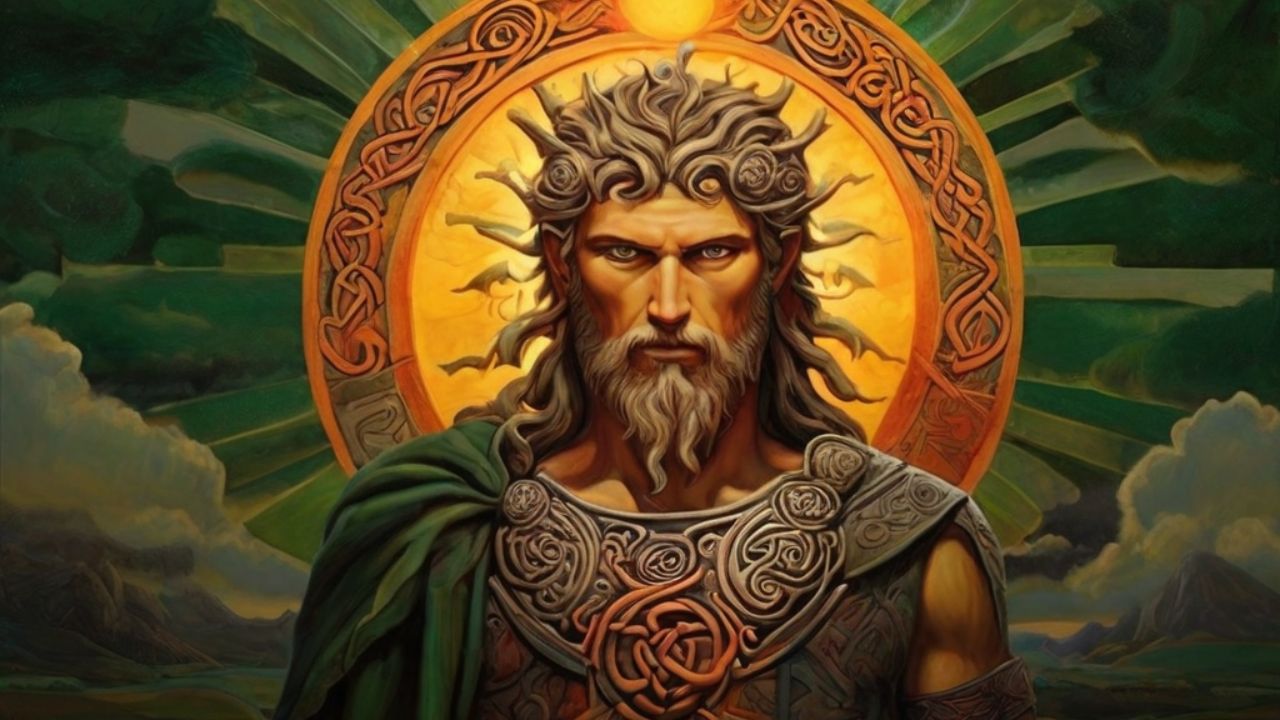
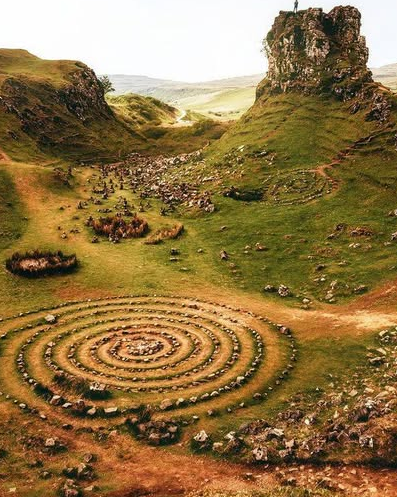
This idea echoes through other Celtic myths as well, such as the powerful stories of the god Lugh in Celtic Sun God Lugh and the mystical hollows of the Fairy Glen, explored in Legend of the Fairy Glen.
The Survival of Belief in the Modern Day
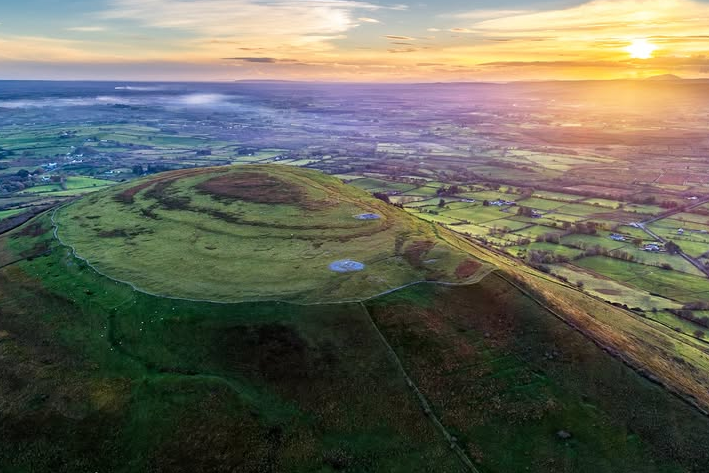
Even now, fairy forts remain untouched across Ireland. Archaeologists value them as medieval dwellings. Locals view them as cultural touchstones. Folklorists see them as pieces of living tradition.
This blend of respect and fascination keeps fairy fort lore alive. In many ways, fairy forts show how Irish identity weaves history with myth, neither fully separate from the other.
If you enjoy exploring Irish tradition, you may find more insights in our category on Mythology & Folklore.
Final Thoughts: A Legacy That Still Holds Power
Fairy forts capture the Irish relationship with landscape, imagination, and memory. They remind us that heritage lives not only in grand monuments but also in quiet, humble circles of earth. When you stand before one, the air feels different. It’s not superstition, it’s an awareness of countless stories resting beneath your feet.
That sense of wonder is exactly what keeps Irish folklore alive.