
The Irish Siege of Derry: Defiance, Faith, and Survival
History often turns on moments of courage under pressure. The Siege of Derry stands as one such moment. In 1689, a small walled city in northern Ireland resisted a powerful army. Its people endured hunger, fear, and uncertainty.
Yet they refused to surrender.
This event shaped Irish identity, religious politics, and historical memory. It still resonates in cultural narratives today.
The Political Storm Behind the Siege
The siege did not emerge in isolation. It formed part of a wider conflict known as the Williamite War in Ireland.
At its core, the struggle involved two monarchs:
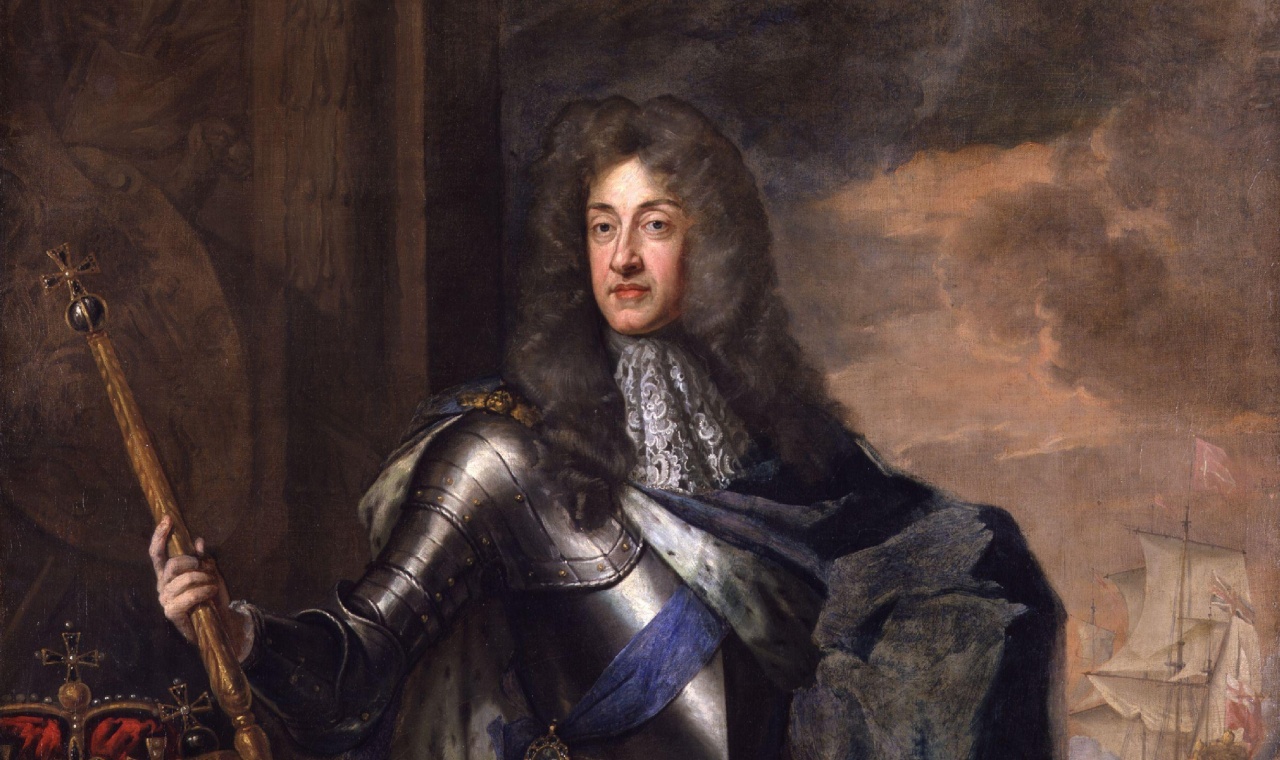
- James II of England
- William III of England
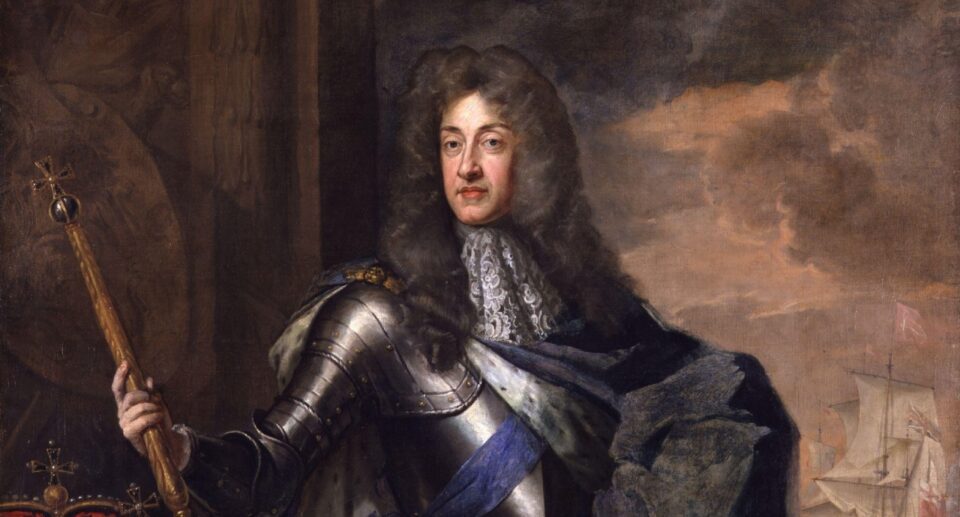
James II, a Catholic, sought to regain his throne after losing it to William III. Ireland became the main battleground. Many Irish Catholics supported James, while Protestants largely backed William.
Derry, a Protestant stronghold, found itself at the center of this conflict.
The Closing of the Gates
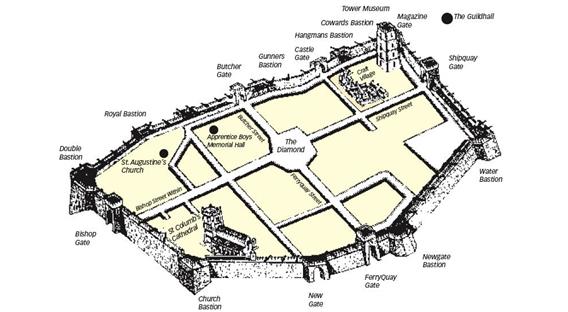
In December 1688, tension reached a breaking point. As Jacobite forces approached, a group of young apprentices made a bold decision.
They shut the city gates.

This act of defiance prevented the entry of troops loyal to James II. It marked the beginning of resistance.
The story echoes Ireland’s deep storytelling tradition. You can explore this cultural thread here:
Why Irish People Are Natural Storytellers
Life Under Siege
By April 1689, Jacobite forces fully surrounded Derry. The siege lasted 105 days.
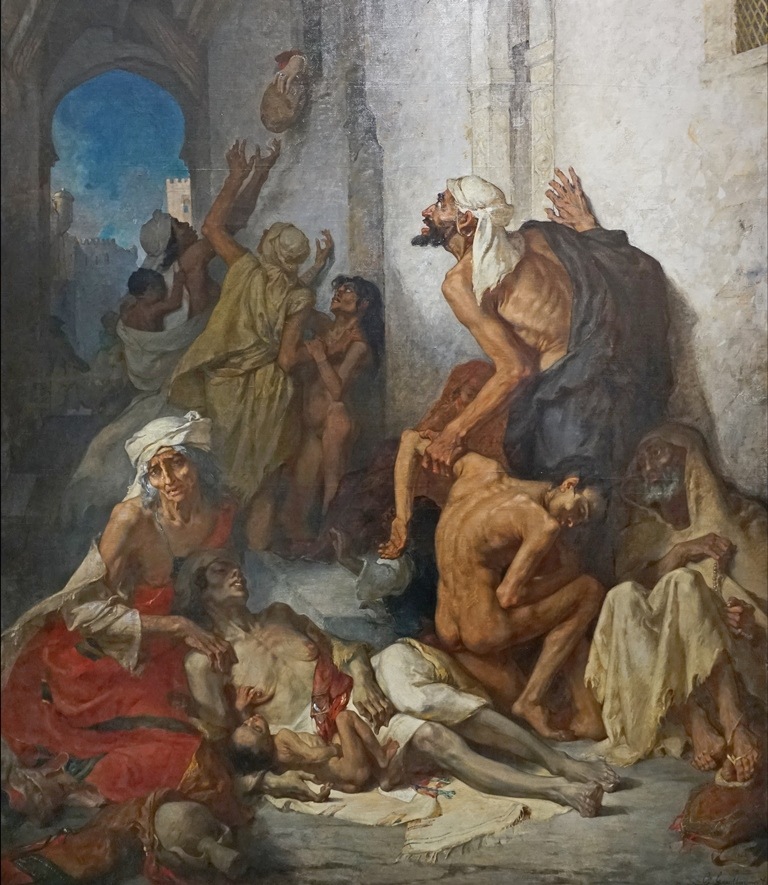
Conditions inside the city grew severe:
- Food supplies ran dangerously low
- Disease spread quickly
- Morale fluctuated
People ate anything they could find. Hunger became the greatest enemy.
The suffering during the siege foreshadows later hardships in Irish history, such as those explored here:
The Influence of the Irish Potato Famine
The Relief of Derry

Relief finally arrived in July 1689. Ships carrying supplies sailed up the River Foyle.
One vessel, the Mountjoy, broke through a defensive barrier known as the boom. This moment changed everything.
Food entered the city. The siege ended soon after.
The defenders had survived.
Cultural Memory and Identity
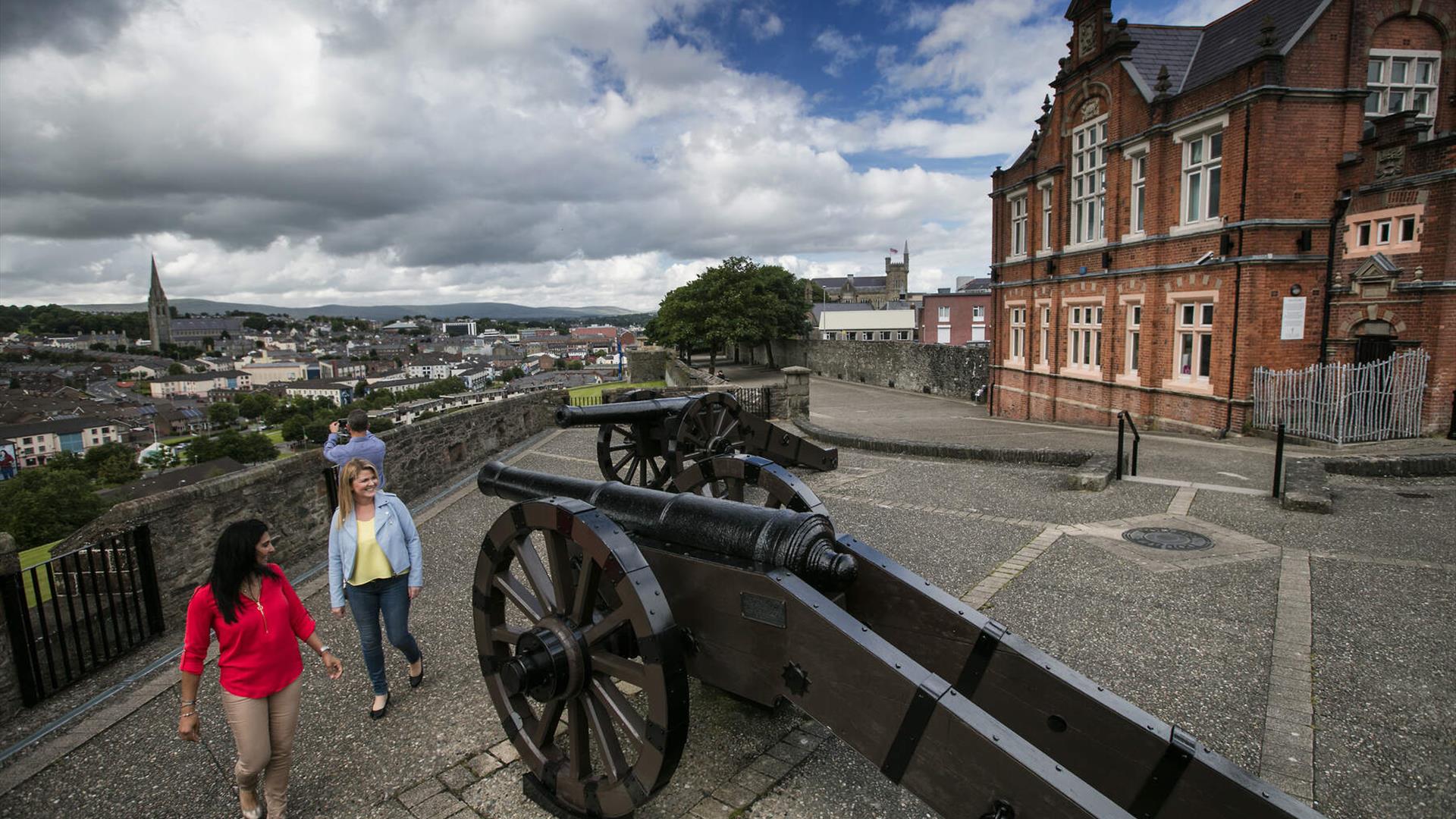
The Siege of Derry lives on in memory and tradition. Annual commemorations still take place in Northern Ireland.
These rituals show how history shapes identity. They also reflect Ireland’s broader cultural heritage.
You can explore related traditions and symbolic practices here:
The Significance of Saint Patrick’s Day
Faith, Conflict, and Legacy
The siege highlights more than military resistance. It reveals how faith, politics, and identity intersect.
It also reminds us that history often carries complexity. The same event can inspire pride in one community and pain in another.
Ireland’s cultural landscape reflects this layered past. From ancient sites like Hill of Tara
to enduring traditions such as Gaelic Irish Proverbs history continues to shape meaning.
Conclusion
The Siege of Derry was not just a military event. It was a test of endurance, belief, and unity.
The people inside the walls faced overwhelming odds. They endured hunger, fear, and isolation. Yet they held their ground.
Their story still resonates because it speaks to something universal, the will to survive and the courage to resist.