Tartan for Highland Brides: Tradition Meets Romance

Few wedding traditions feel as evocative as tartan worn by a Highland bride. The fabric carries memory, kinship, and place. It does not merely decorate a ceremony; it speaks. In the Highlands, tartan transforms a wedding into a quiet dialogue between past and present.
For brides who seek meaning beyond fashion, tartan offers something rare. It allows heritage to sit gracefully beside romance.
The Cultural Meaning of Tartan in Bridal Wear
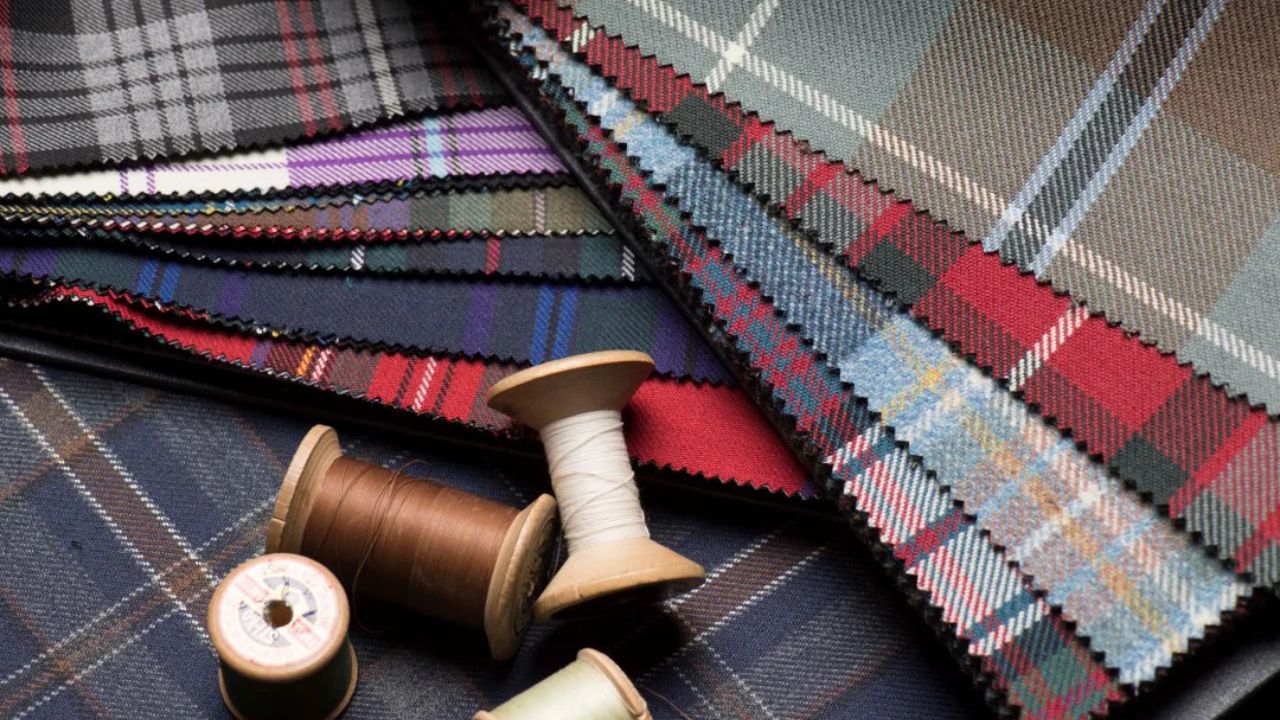
Tartan has long served as a visual language of identity. Each pattern links to a clan, a district, or a shared story. To understand its deeper role, one must first understand what tartan truly represents.
For Highland brides, tartan symbolizes continuity. It connects marriage to ancestry. The cloth often represents the bride’s clan, the groom’s clan, or a tartan chosen to honor both families. This choice turns attire into a statement of belonging rather than ornament.
Tartan has endured for centuries, evolving while retaining its essence. Its long history explains why it feels so natural in ceremonial life. You can explore this evolution further in our guide on how long tartan prints have been around.
How Highland Brides Wear Tartan Today
Modern Highland weddings embrace flexibility. Brides now integrate tartan in subtle, elegant ways rather than full garments.
Common bridal styles include:
- A tartan sash worn over a white gown
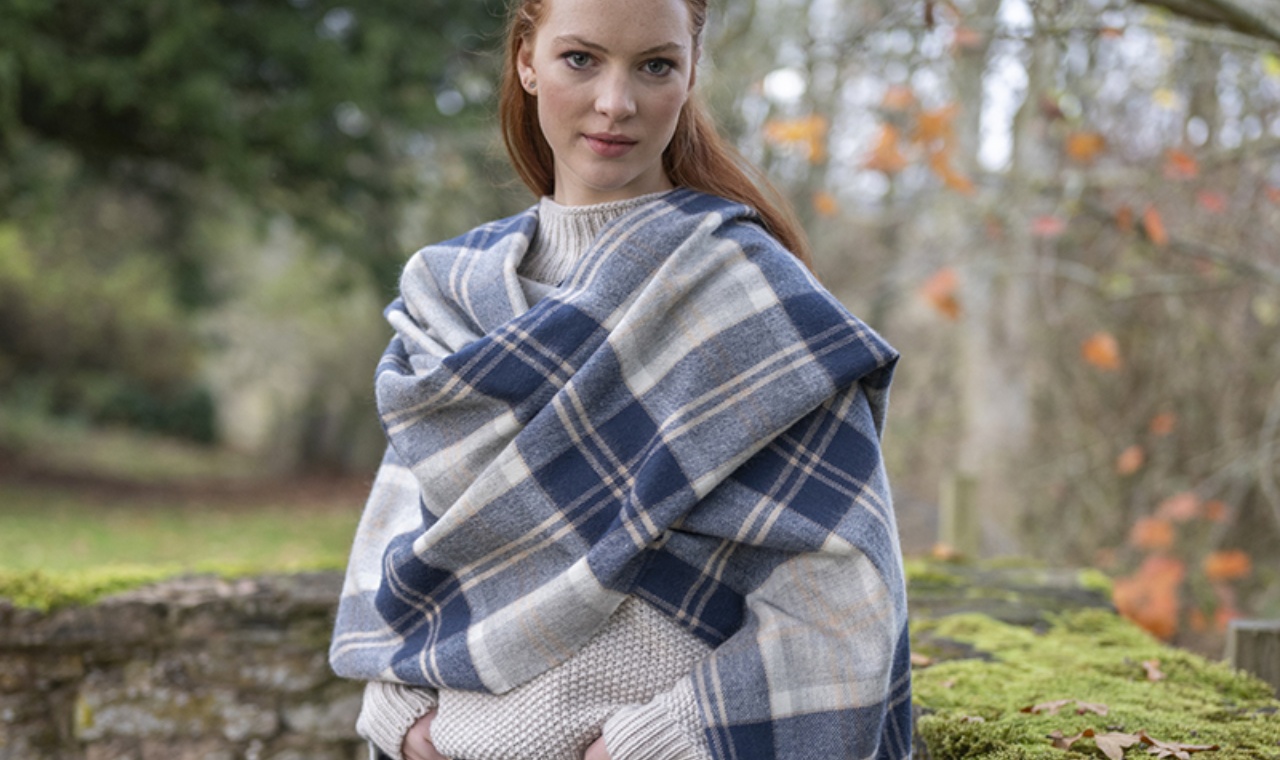
- A tartan shawl draped for outdoor ceremonies
- Hand-fasting ribbons made from clan tartan
- Bridal bouquets wrapped in tartan fabric
Many brides follow traditional draping methods, especially when wearing a sash. Our step-by-step guide on how to wear a tartan sash explains these customs clearly.
This balance between tradition and modernity keeps the bridal look refined, meaningful, and personal.

Choosing the Right Tartan for Your Wedding
Selecting a tartan requires thought rather than haste. Some brides choose their paternal clan. Others honor maternal lineage. Some opt for universal tartans when clan ties remain unclear.
If ancestry feels complex, guides such as how many Scottish clans exist can help clarify lineage connections.
Tartan should never feel restrictive. It should feel chosen.
Symbolism, Storytelling, and the Bridal Ceremony
Highland weddings thrive on narrative. Every element carries a story, from music to fabric. Tartan plays a central role in this ceremonial storytelling tradition, much like oral heritage explored in why Celtic cultures value storytelling.
When a bride wears tartan, she visually tells her story. The fabric becomes a living archive, witnessed by family and community.
Tartan Accessories That Elevate the Bridal Look
Accessories often complete the Highland bridal ensemble. Popular choices include:
- Silver brooches with Celtic knotwork
- Heirloom pins passed through generations
- Tartan shawls paired with soft wool textures
Brides sometimes coordinate with the groom’s kilt, ensuring harmony without uniformity. If you wish to understand kilt traditions more deeply, explore how kilts adapt to Scottish weather.

Why Tartan Endures in Highland Weddings
Tartan survives because it adapts without forgetting itself. It honors ancestry while welcoming individuality. For Highland brides, this balance feels essential.
A wedding marks a beginning, yet tartan reminds us that beginnings grow from deep roots. In this way, Highland bridal tartan does not simply dress the bride. It frames the moment within history, land, and love.