
Irish Handloom Weaving: Threads of Skill, Memory, and Identity
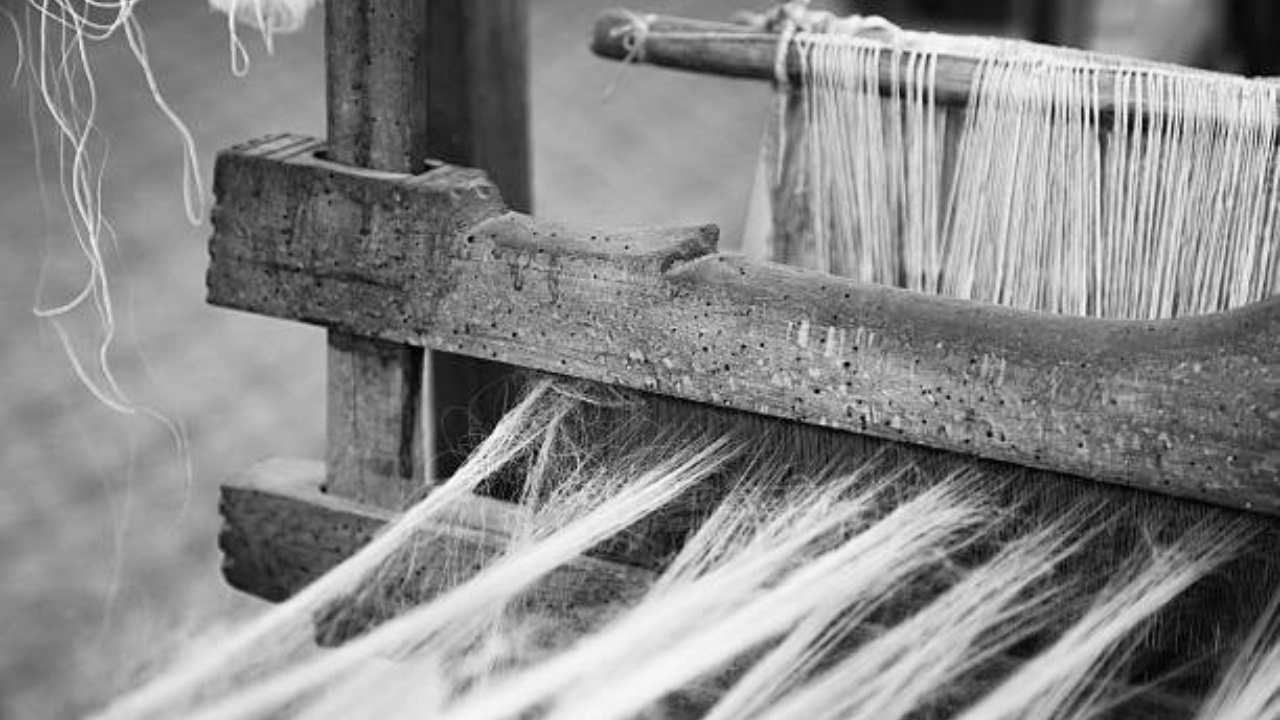
Irish handloom weaving stands at the crossroads of craft and culture. It reflects patience, skill, and deep respect for material. For centuries, Irish weavers turned wool and linen into cloth that carried stories, status, and survival. This tradition still speaks today, not as nostalgia, but as living heritage.
Origins of Irish Handloom Weaving
Weaving in Ireland predates written history. Archaeological finds and early texts confirm its central role in daily life. Rural households relied on looms for clothing and trade. Wool dominated the west, while linen flourished in Ulster. These regional choices mirrored climate and landscape.
Irish storytelling traditions helped preserve this knowledge, much like the narrative patterns explored in why Irish people are natural storytellers. Skills passed from hand to hand, often without written instruction. Memory served as the archive.
Materials and Techniques
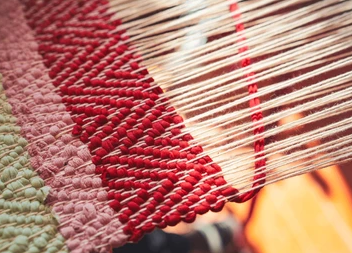
Irish handloom weaving relies on natural fibres. Wool from hardy sheep breeds provides warmth and texture. Linen, spun from flax, offers strength and clarity. Weavers prepare yarn carefully before it ever meets the loom.
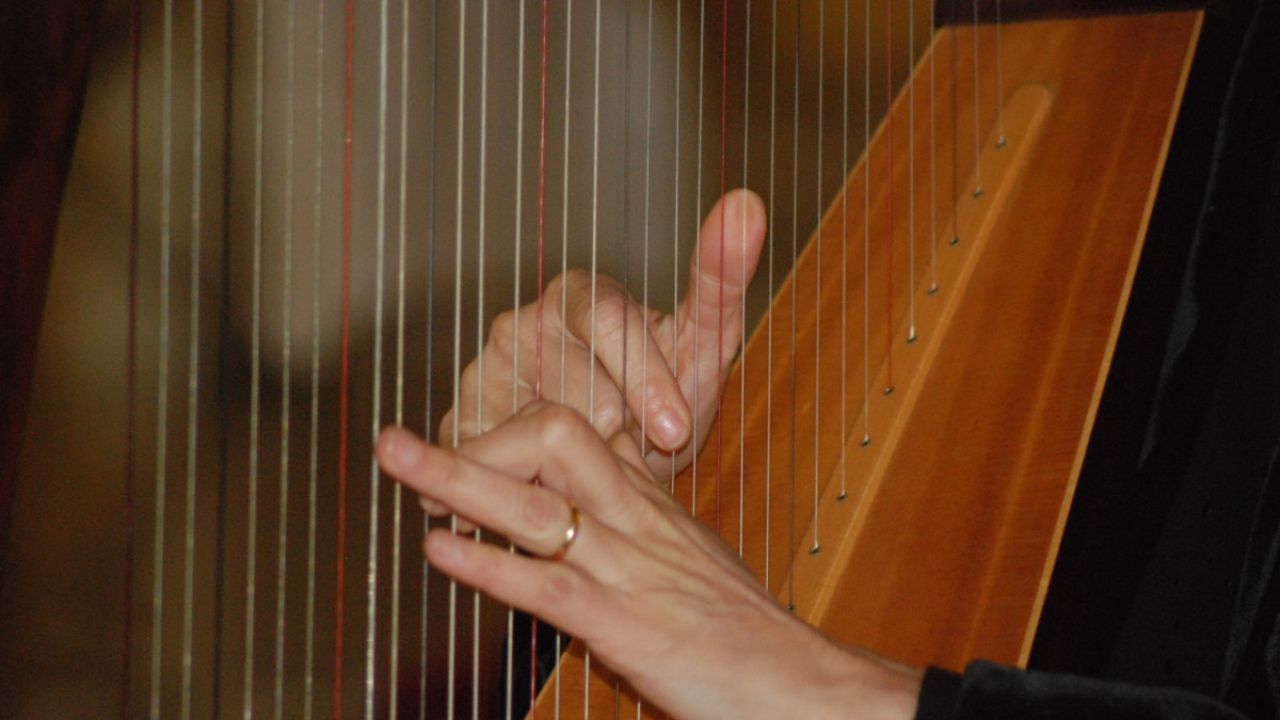
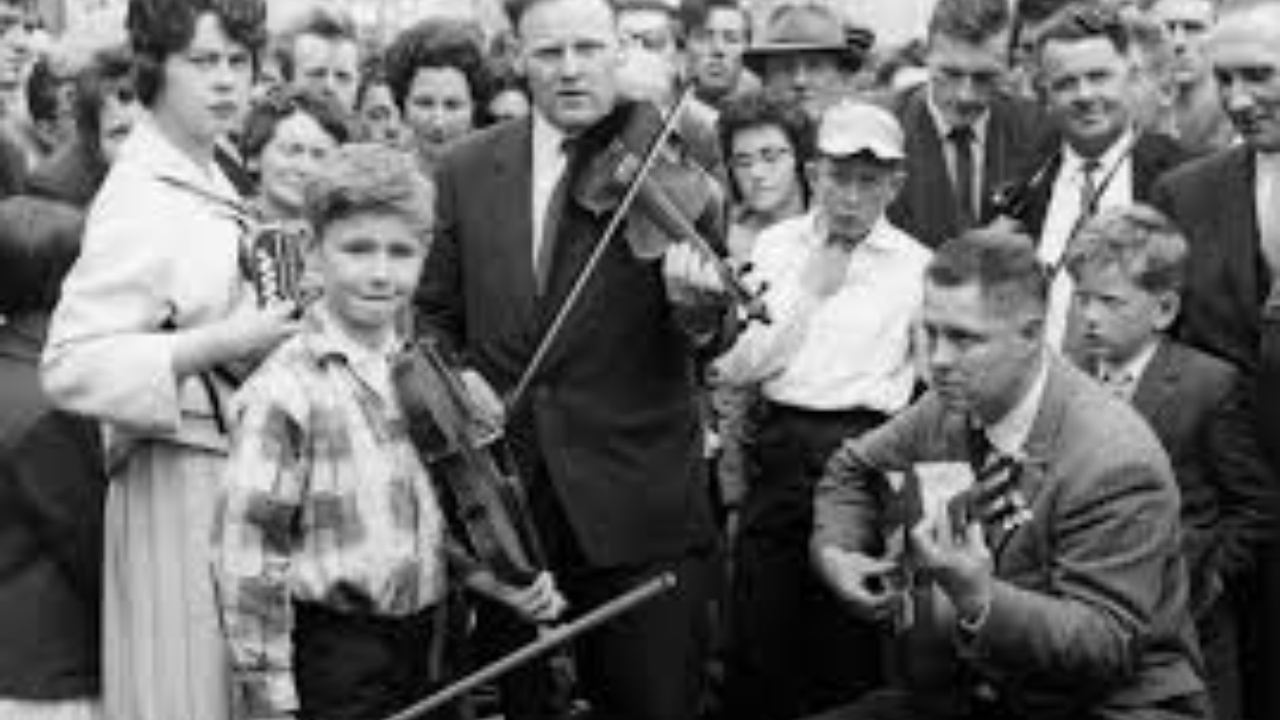
The loom itself demands discipline. Each movement must stay precise. Rhythm matters. This tactile process echoes other Irish crafts rooted in sound and repetition, such as traditional music and instruments like those discussed in fiddle music. Craft and music often share the same cultural heartbeat.
Weaving, Class, and Survival
Handwoven cloth once marked social position. Fine linen signalled prosperity. Coarser wool suggested rural labour. Yet weaving also ensured survival, especially during hardship. The nineteenth century tested this resilience.
The influence of the Irish Potato Famine reshaped rural economies. Many families turned to textile work for income. Handloom weaving offered dignity when land failed. Cloth became both currency and comfort.

Patterns, Meaning, and Identity
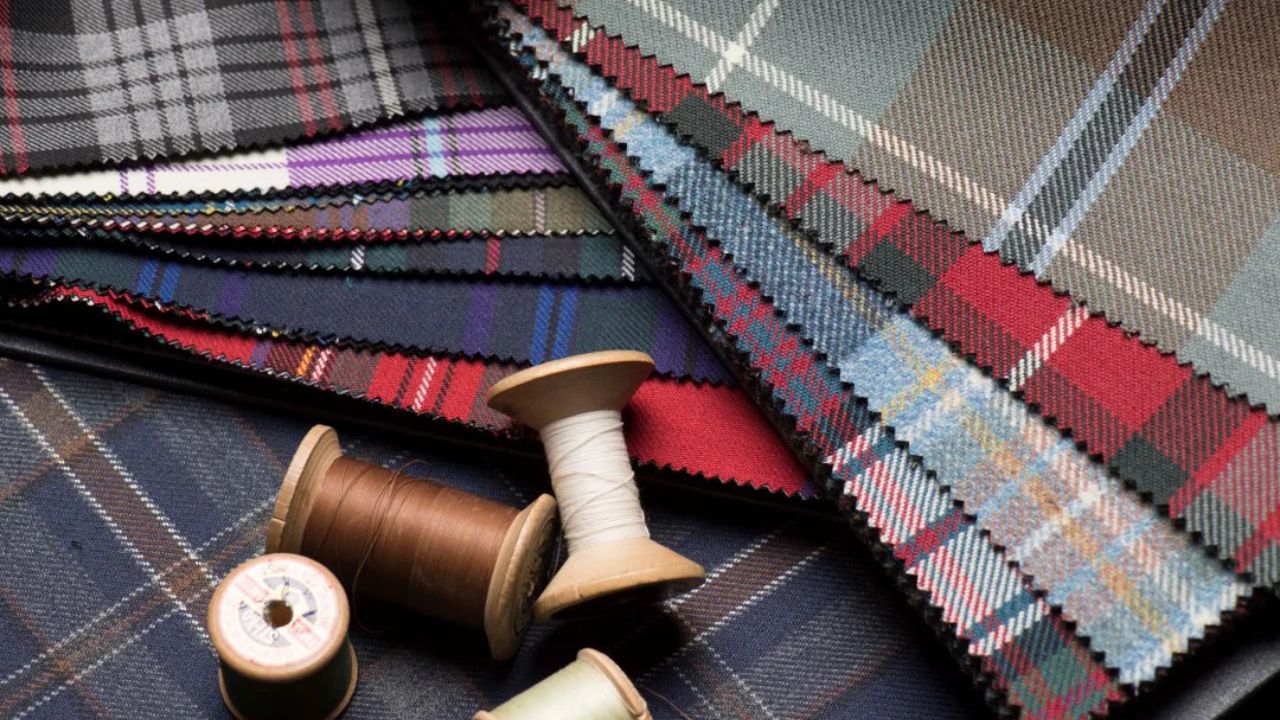
Irish handloom designs rarely aim for excess. They favour balance and purpose. Subtle stripes, checks, and textures dominate. These patterns align with broader Celtic aesthetics, visible in stonework and symbolism explored in Celtic stone carvings.
Color choices often reflect local dyes and landscapes. Browns, greys, and muted greens prevail. Each cloth becomes a quiet map of place.
Handloom Weaving in Modern Ireland
Today, Irish handloom weaving enjoys renewed respect. Artisans blend tradition with contemporary design. They produce shawls, throws, and tailored garments that honor the past without copying it.
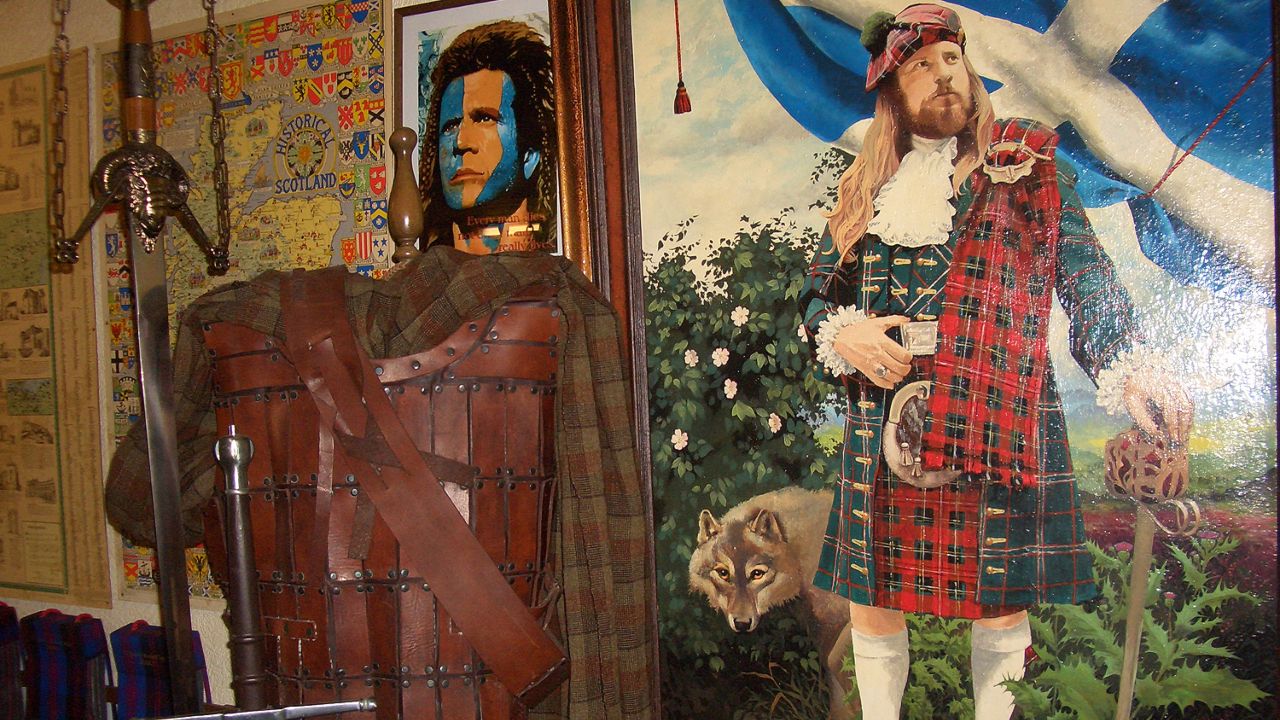
This revival parallels wider interest in heritage fashion, including textiles such as those discussed in what is tartan. While tartan speaks loudly, Irish weaving prefers restraint. Both express identity through cloth.

Why Irish Handloom Weaving Still Matters
Irish handloom weaving teaches patience in a fast world. It values process over speed. Each piece carries time within it. This philosophy connects closely to Ireland’s wider cultural respect for ritual, memory, and place.
As with many traditions, survival depends on use. When people wear and value handwoven cloth, the craft endures. It remains not a relic, but a conversation between generations.
Conclusion: Cloth as Cultural Archive
Irish handloom weaving binds material and meaning. Threads record history where ink fails. In every woven piece, Ireland speaks quietly but clearly. The loom continues its work, one careful movement at a time.