Clan Tartans: A Living Symbol of Scottish Identity
Clan tartans sit at the very heart of Scottish heritage. Each pattern carries memories of ancestors, landscapes, and stories that shaped the Highlands. When people think of Scotland, they often picture a kilt woven with bold, colourful lines. Though few realise how much meaning lies inside those intersecting stripes.
If you are new to tartans in general, you may enjoy reading our guide What Is Tartan? for a simple introduction to tartan patterns and their purpose.
What Exactly Is a Clan Tartan?
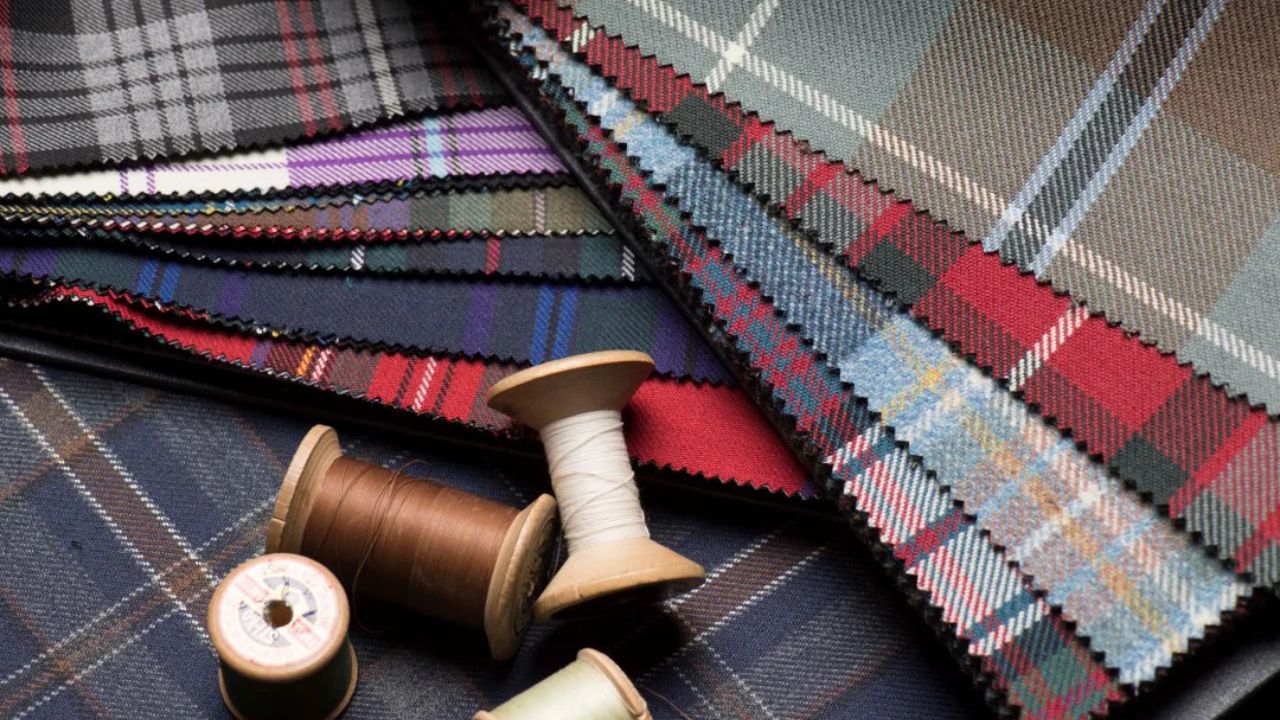
A clan tartan is a specific pattern worn by members, descendants, or supporters of a Scottish clan. These patterns help clans express unity and heritage. They often appear in kilts, scarves, sashes, shawls, and even modern fashion pieces.
How Clan Tartans Developed Over Time
Contrary to popular belief, clan tartans did not appear overnight. Their story spans centuries.
Early Highland communities used local dyes and simple checks. These patterns were practical rather than symbolic. Over time, certain colours and stripe arrangements became associated with particular regions. When people from the same district wove or wore similar patterns, those patterns naturally became linked with their kin groups.
The idea of a formal clan tartan grew stronger in the 18th and 19th centuries. The ban on Highland dress after the Jacobite Rising slowed this development, but once the ban lifted, tartan culture flourished again. The revival of Highland identity turned tartans into proud clan emblems.
To explore the deeper history of the pattern itself, you can also read How Long Has the Tartan Print Been Around?.
Why Tartans Matter So Much to Clans
Clan tartans are not only beautiful, they communicate identity across generations. A tartan shows allegiance and keeps ancestral memory alive even when families migrate far from Scotland.
This cultural attachment echoes the same storytelling spirit celebrated in our article on Why Irish People Are Natural Storytellers. In Celtic culture, stories and symbols travel together.
How Many Clan Tartans Exist?
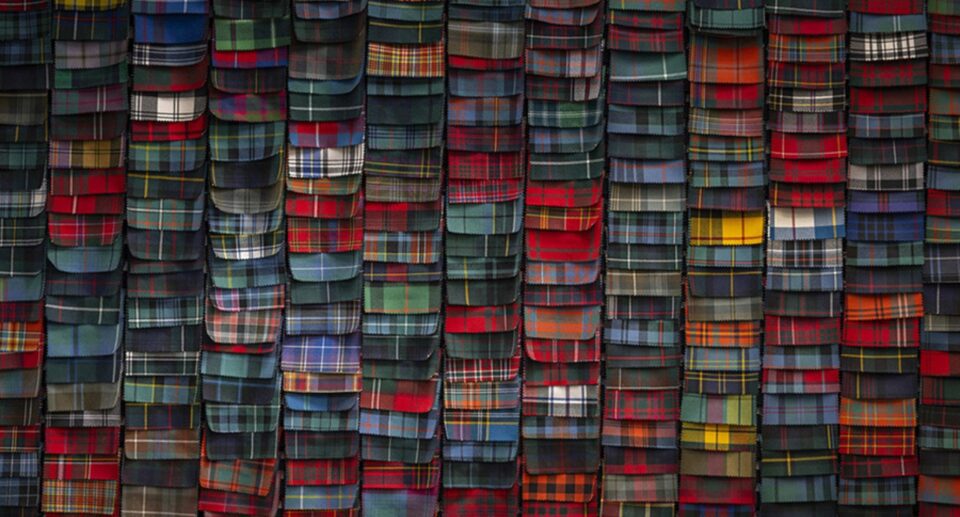
Today, there are hundreds of recognised clan tartans. Many clans have more than one pattern: ancient, modern, hunting, or dress versions. If you want to explore how many clans Scotland has, our guide How Many Scottish Clans Exist? offers a detailed overview.
Types of Clan Tartans
Ancient Tartans
These use softer, natural dye colours—earthy greens, browns, and muted blues.
Modern Tartans
These use richer, darker colours created with modern dyes.
Hunting Tartans
These feature deeper greens and blues for outdoor use.
Dress Tartans
These appear brighter and more festive, often used for ceremonies and celebrations.

Clan Tartans in Today’s Culture
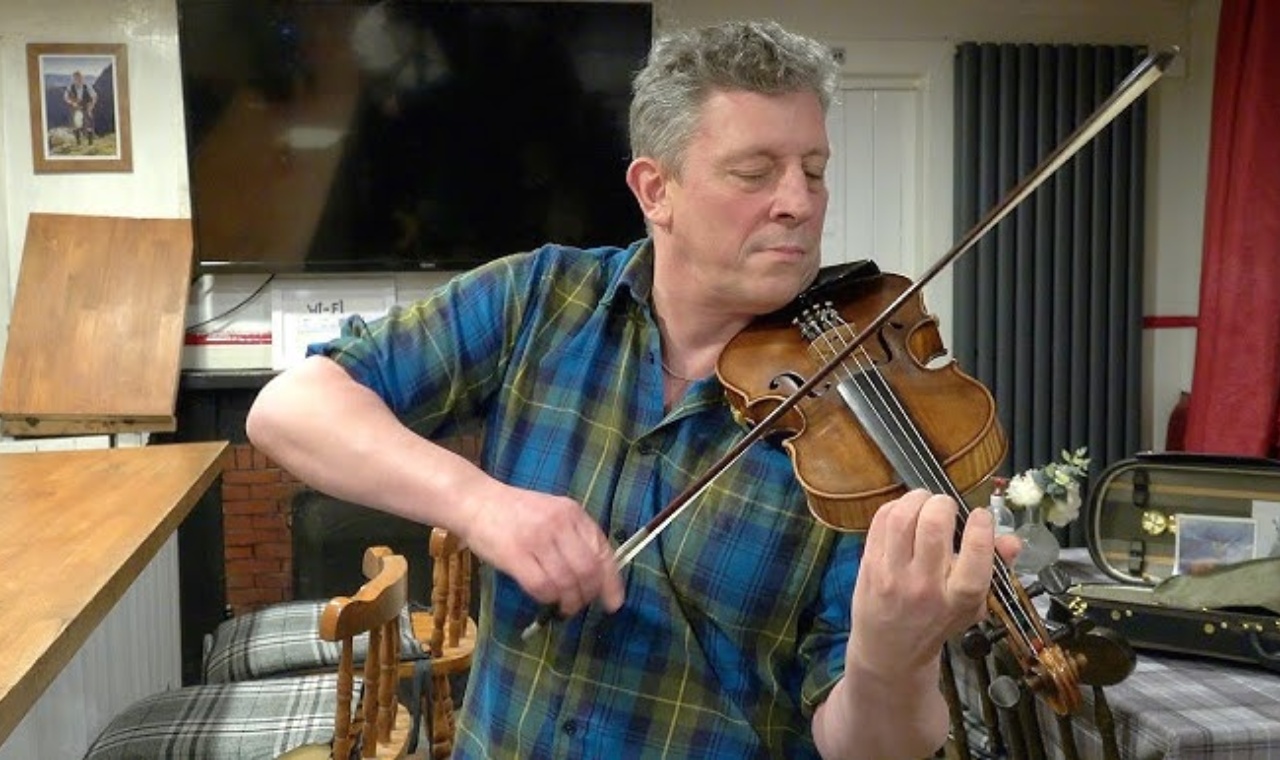
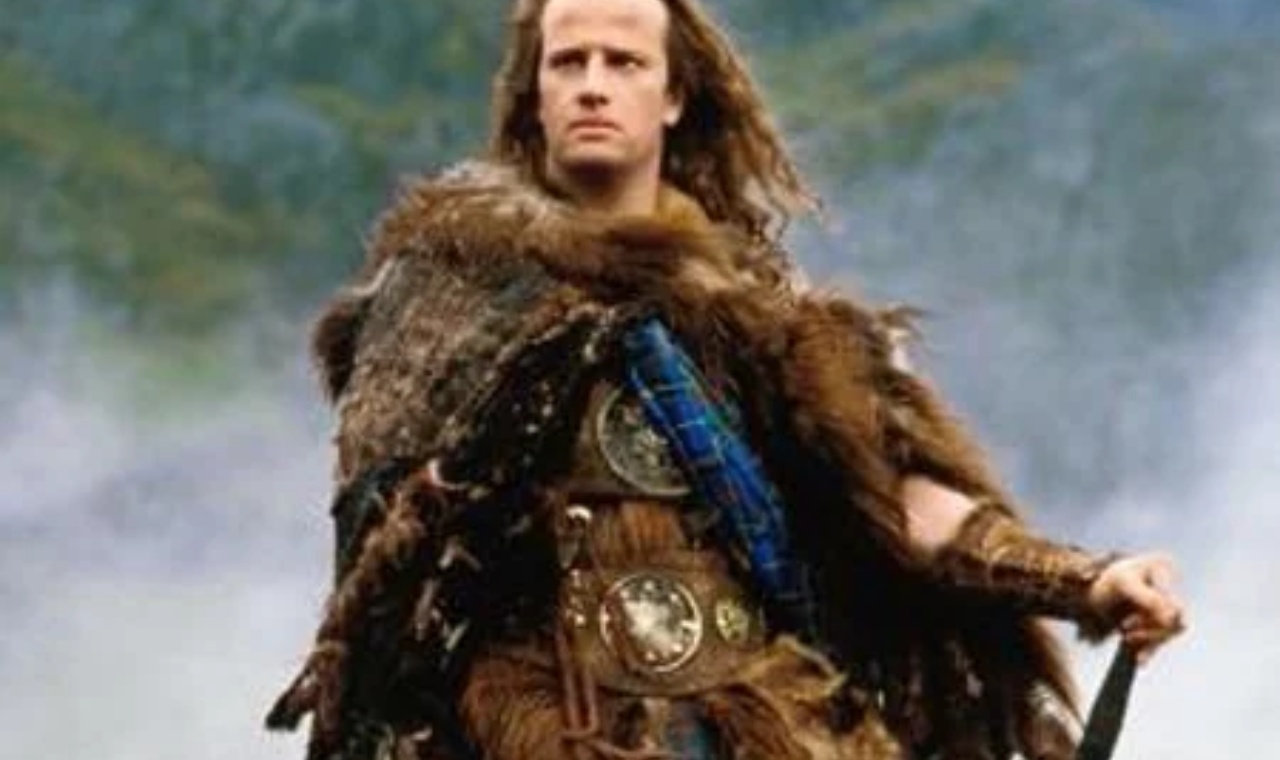
You will still see clan tartans everywhere. From Highland Games (also covered in our guide to Highland Games 2025), to weddings, music events, and even television shows. Our article on Kilts in Movies and Shows shows how tartans shaped popular culture.
Modern designers also weave tartans into scarves, shawls, and accessories. If you love fashion and heritage blended together, explore our guide on Scottish Tartan Shawls.
Choosing Your Clan Tartan
If you have Scottish ancestry, you may already know your clan. If not, you can choose a tartan from:
- A clan you support
- A region you admire
- A tartan design that feels meaningful to you
Even people with Irish heritage often enjoy tartan culture. For comparison, see Do Irish Wear Kilts? or What Is an Irish Kilt?.
How To Wear Clan Tartans with Confidence
A tartan looks its best when worn correctly. If you plan to wear a kilt, our guide How to Measure for a Kilt will help you get the perfect fit. You can also learn how to style accessories in our article How to Wear a Tartan Sash.
Conclusion: A Pattern That Holds a People Together
Clan tartans are more than colourful fabric. They are woven records of courage, belonging, and community. To explore more Celtic traditions, feel free to browse the full CeltGuide Blog.