The Legend of the Wolf of Badenoch | Scottish Lore
Scottish history often blurs the line between fact and folklore. Few figures embody this tension better than the Wolf of Badenoch. Known formally as Alexander Stewart, he ruled the central Highlands during the late fourteenth century. His reputation still prowls through Scottish memory. Scholars debate the scale of his cruelty, yet oral tradition never hesitates. It remembers him as a predator in human form.
Who Was the Wolf of Badenoch?
Alexander Stewart was the son of Robert II of Scotland. Royal blood granted him power, but it never restrained him. He governed Badenoch, Lochaber, and parts of the Great Glen with near-total autonomy. Chroniclers describe a man who ruled through fear rather than loyalty. This approach clashed sharply with Gaelic ideals of kinship and protection.
Many Highland clans already navigated fragile alliances, as outlined in discussions of how many Scottish clans existed and how they interacted. Stewart disrupted these networks. He burned settlements, seized lands, and ignored church authority. His nickname emerged naturally. Wolves hunt without mercy. So, according to the people, did he.

The Burning of Elgin Cathedral
One event secured his dark immortality. In 1390, Stewart ordered the burning of Elgin Cathedral. The cathedral stood as a spiritual and cultural centre of medieval Scotland. Its destruction shocked the kingdom. Even in an era accustomed to violence, this act crossed a line.
Church records and later historians agree on the scale of devastation. The act mirrors wider tensions between secular power and sacred authority, also visible in the history of Scottish Gaelic Bible translations. Stewart never showed remorse. Instead, he leaned into intimidation as governance.
Folklore, Fear, and Gaelic Memory
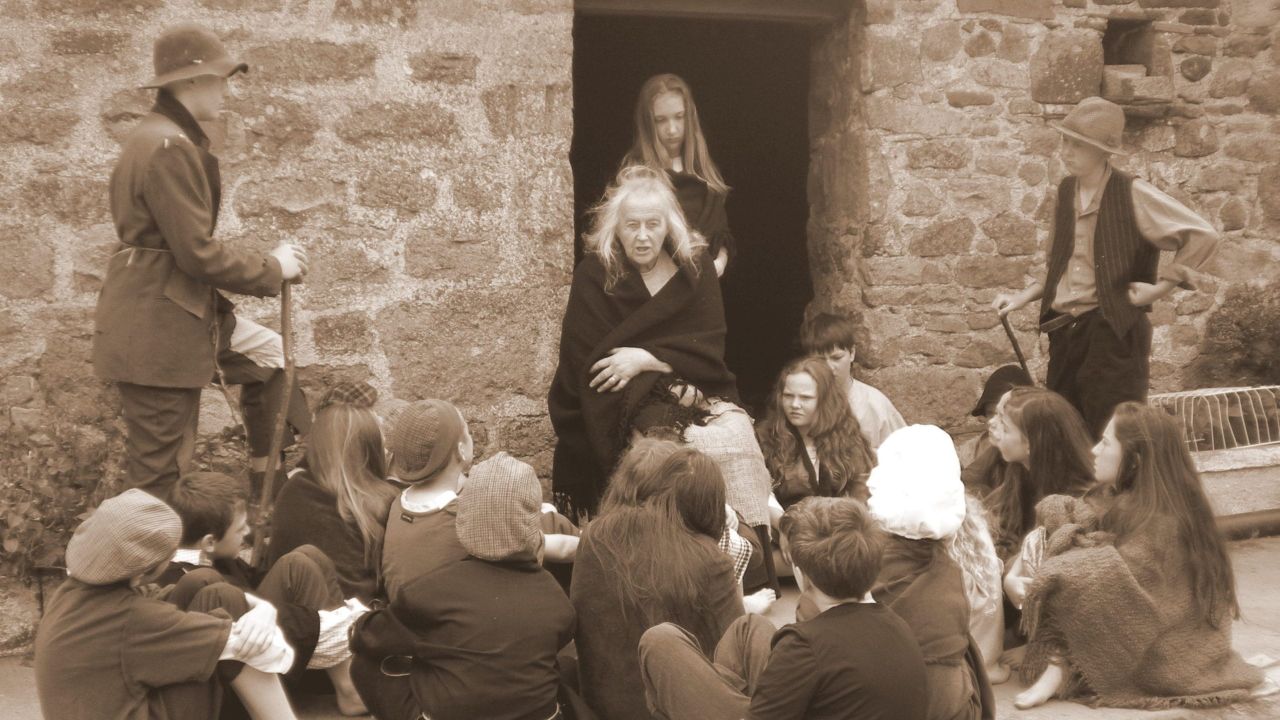
Gaelic storytelling preserved the Wolf of Badenoch long after his death. The Highlands valued memory as much as written record. This tradition explains why figures like Stewart loom large in oral culture, much like the patterns explored in why Irish people are natural storytellers. Story gave shape to fear. It warned future generations.
In these tales, the Wolf stalks glens at night. Fires rise behind him. Communities scatter. Such imagery links him with other Celtic mythic threats, including monstrous figures like the Linton Worm. History supplies the bones. Folklore adds the claws.

Badenoch and the Highland Landscape
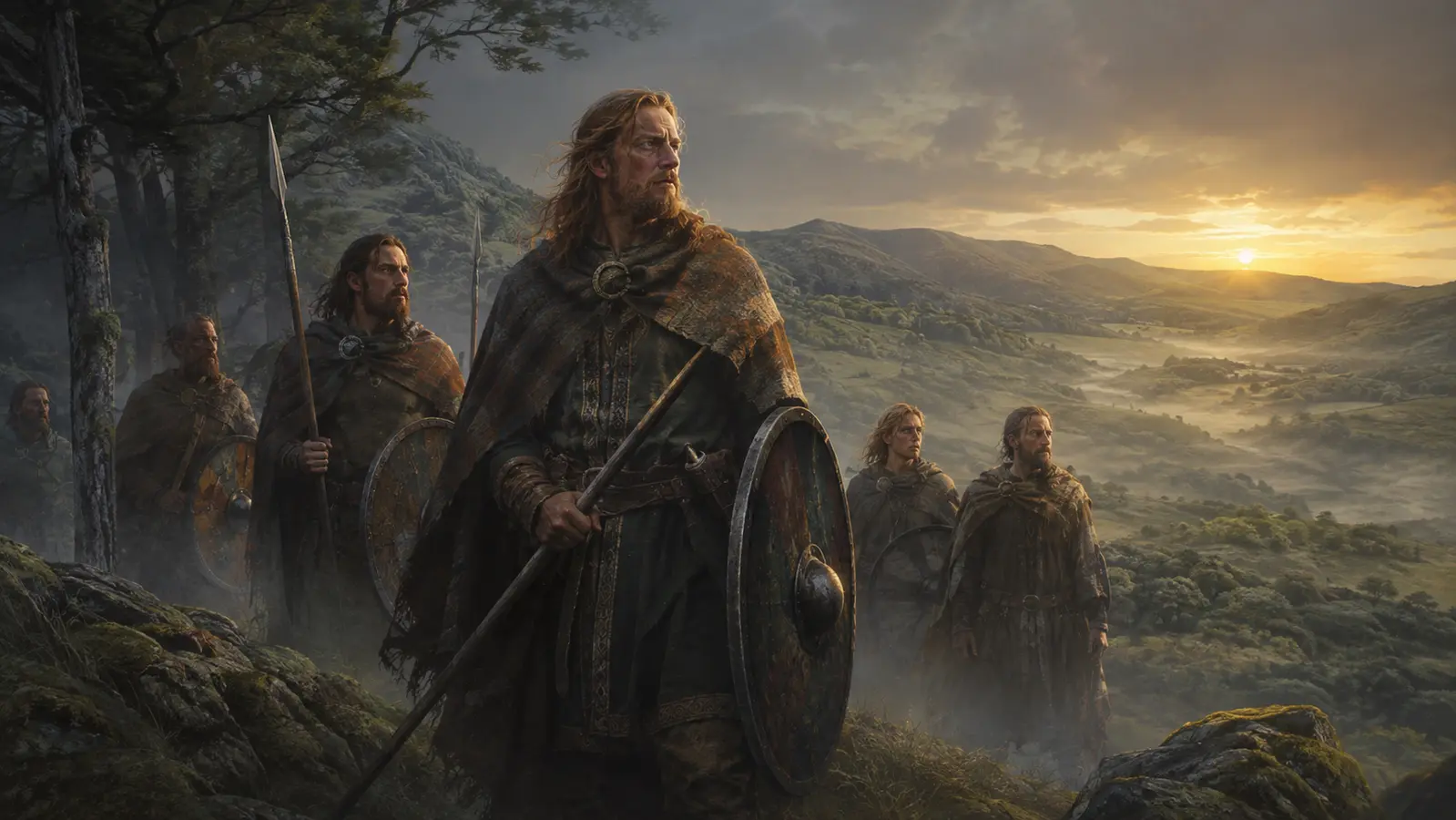
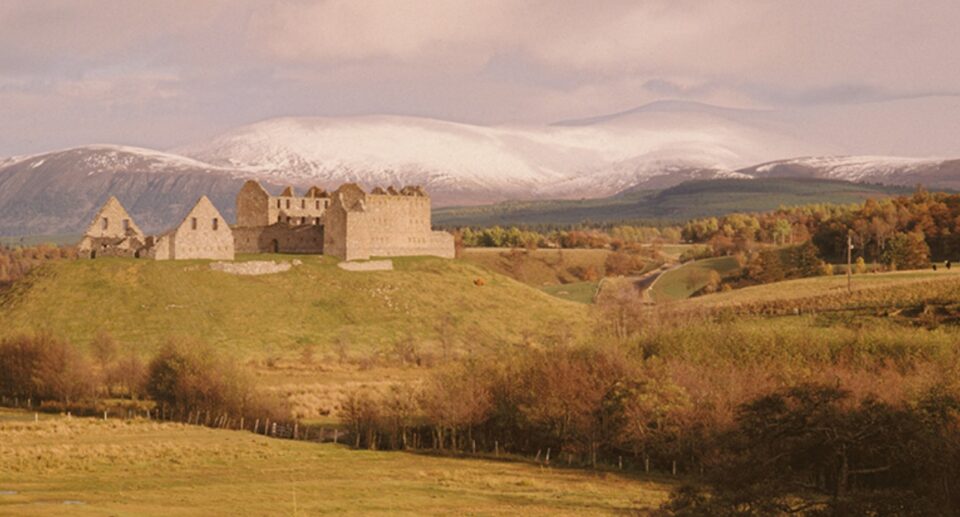
Geography deepened Stewart’s legend. Badenoch sits at the heart of the Highlands, a region defined by isolation and resilience. Travel across these lands demanded respect for nature and people alike. Stewart offered neither.
Modern visitors often connect the area with scenic calm, similar to journeys through places like the Isle of Mull. Yet the landscape once echoed with unrest. The Wolf of Badenoch turned terrain into a weapon, using distance and darkness to maintain control.
Why the Legend Still Matters
The Wolf of Badenoch remains relevant because he represents unchecked power. Scottish folklore does not romanticise him. Instead, it condemns him. His story contrasts sharply with heroic clan leaders or sacred symbols such as the Celtic oak tree. The oak protects. The wolf destroys.
In academic terms, his legacy reveals how communities process trauma. Legend becomes a moral archive. It records what official power structures prefer to forget.
Conclusion: History’s Dark Echo
The legend of the Wolf of Badenoch endures because it carries a warning. Authority without accountability corrodes society. Alexander Stewart may belong to the fourteenth century, but his shadow still moves through Scottish cultural memory. In the Highlands, stories do not fade easily. They linger, like pawprints in mist.