Gaelic Laments: Voices of Loss and Living Memory
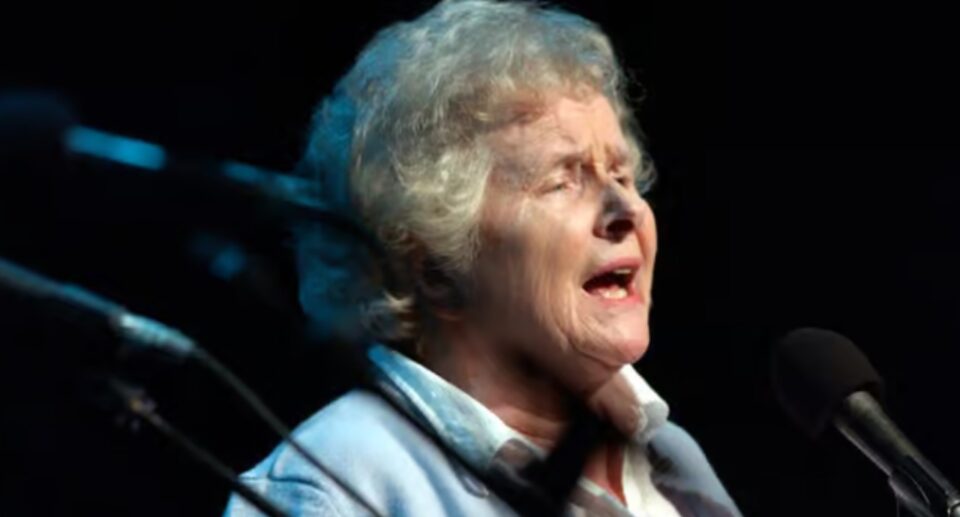
Gaelic laments sit at the emotional core of Celtic musical culture. These songs do not simply express grief; they preserve memory, history, and social bonds. As a scholar trained in Celtic studies, I see laments as oral archives. They record loss while shaping how communities remember people, places, and events.
Across Scotland and Ireland, laments developed as a response to death, exile, and dispossession. They often emerged in times of upheaval, when written records felt distant or inaccessible. In this sense, laments connect closely with the wider tradition of oral storytelling, explored in our discussion of why Irish people are natural storytellers.
What Is a Gaelic Lament?
A Gaelic lament is a slow, expressive song composed to mourn a person, a clan, or even a homeland. Unlike formal hymns, laments remain deeply personal. Singers shape melody and rhythm around emotion rather than strict musical rules.
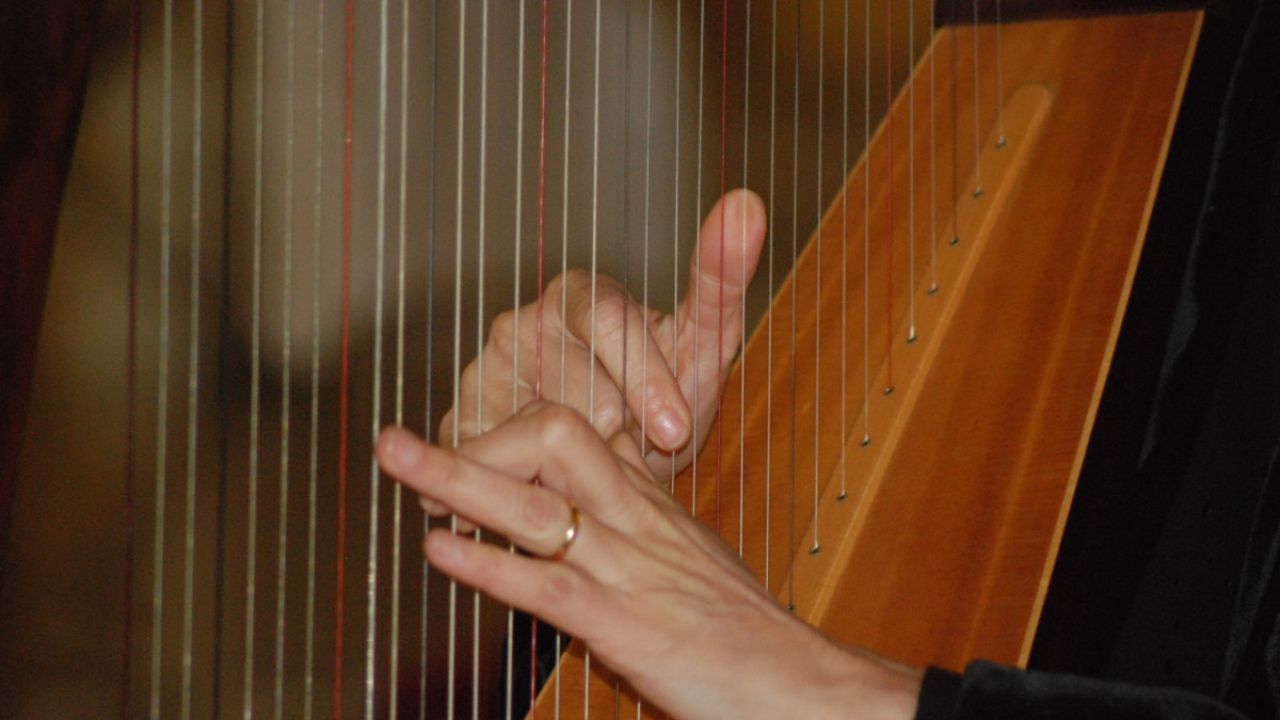
Many laments rely on free rhythm and ornamented vocal lines. The voice leads, while instruments, if present, follow gently. The clàrsach, or Celtic harp, often accompanied laments in earlier periods. You can learn more about this instrument in our comprehensive guide to the clarsach.
Laments, Clan Society, and Collective Memory

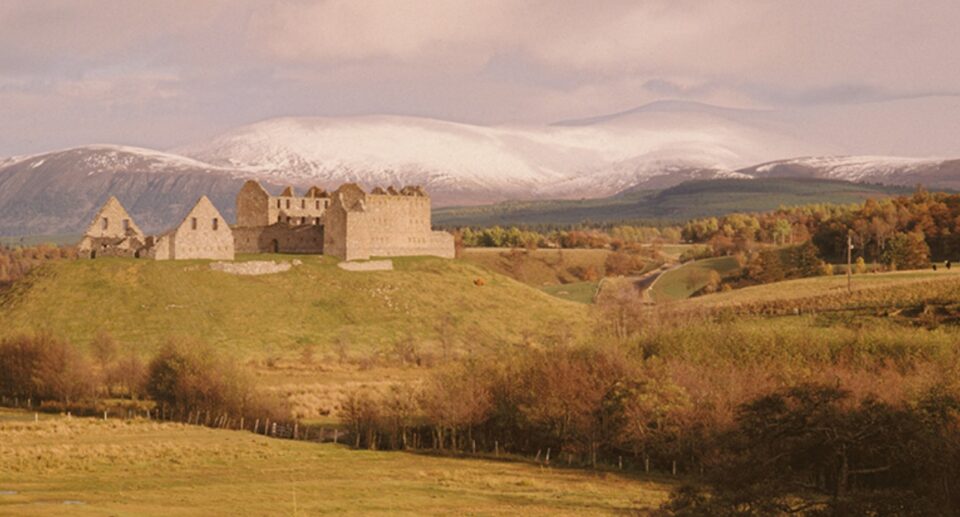
In Highland clan society, laments played a public role. When a chief died, a lament reinforced loyalty and continuity. When clans faced defeat or forced migration, laments gave voice to collective trauma. These songs echo the same historical pressures that shaped tartan culture and clan identity, discussed in our guide to how many Scottish clans exist.
Laments also served as moral commentary. Through praise, regret, or accusation, singers shaped how the deceased would be remembered. In this way, laments acted as social texts, not merely emotional expressions.
Keening and the Irish Lament Tradition
Ireland developed a closely related form known as keening. This practice involved improvised vocal mourning, often performed by women at wakes. The tradition connects strongly with Irish wake customs and broader rituals of farewell.
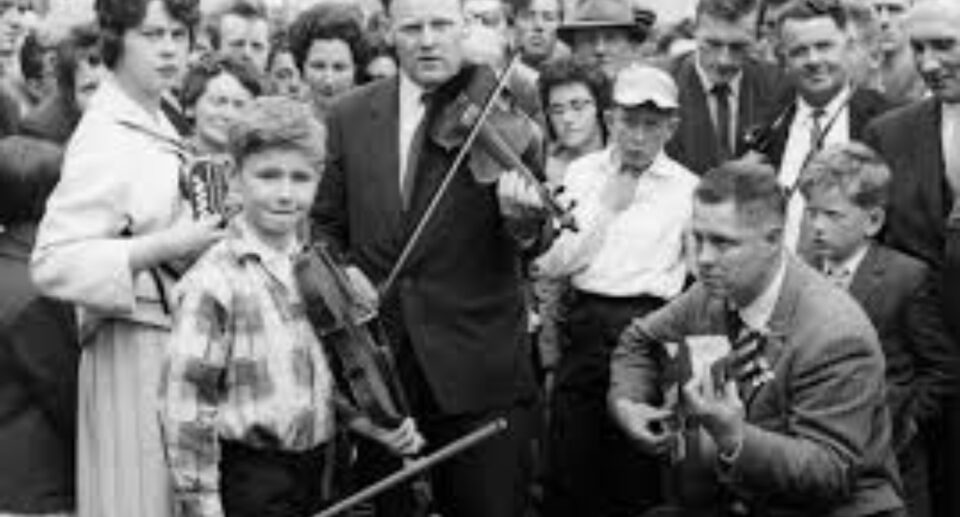
Keening declined during the nineteenth century due to church pressure and social change. Yet its influence remains audible in Irish folk singing and fiddle music. Even modern compositions carry traces of this older, raw vocal style.
Musical Characteristics and Instruments
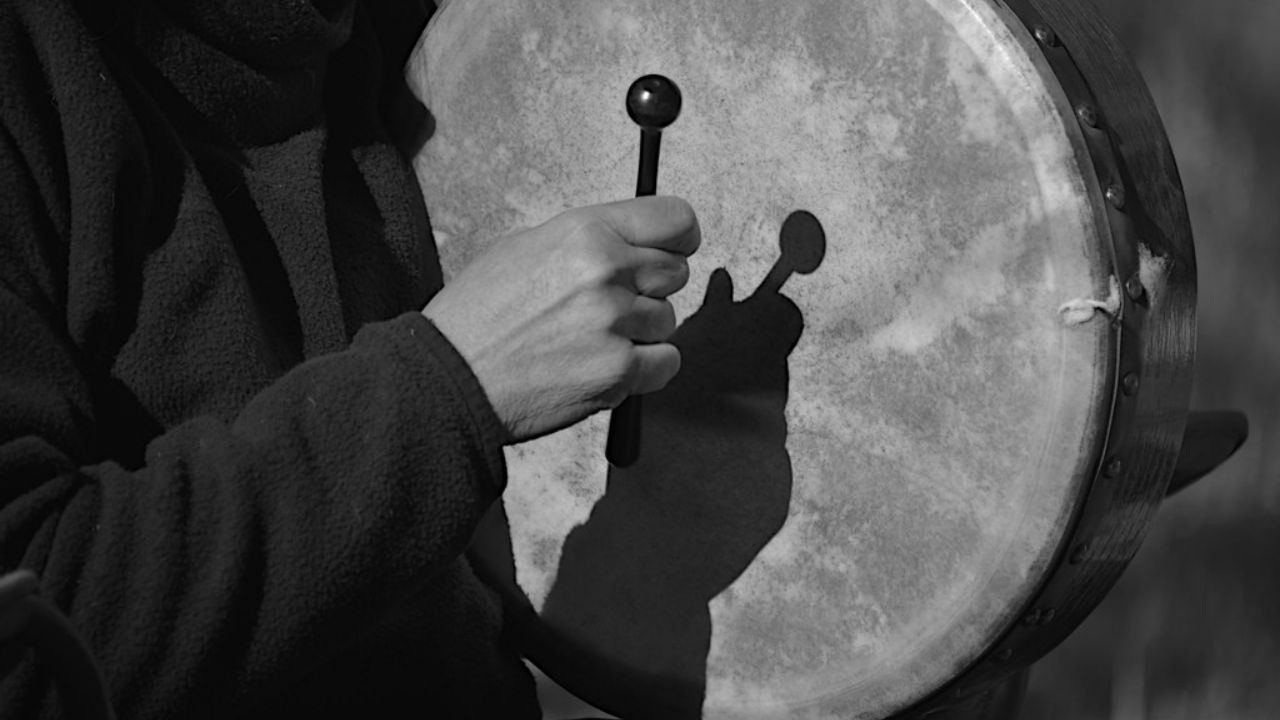
Most Gaelic laments use modal scales rather than major or minor keys. This gives the music its distinctive tension and ambiguity. Instruments such as the harp or bodhrán rarely dominate. Instead, they support the voice, allowing words and emotion to remain central.

The restrained instrumental approach reflects a broader Celtic aesthetic. You can see similar values in Celtic stone carvings, where simplicity enhances symbolic depth.
Why Gaelic Laments Still Matter
Gaelic laments continue to resonate because they speak honestly about loss. In a modern world that often avoids grief, laments offer space to confront it. They remind us that mourning can unite communities rather than isolate individuals.
Today, scholars, musicians, and cultural activists work to preserve and reinterpret laments. Their efforts align with wider movements to sustain Gaelic language and literature. Our article on Scottish Gaelic Bible translations shows how language preservation extends across sacred and secular forms.
Conclusion: Songs That Refuse Silence
Gaelic laments endure because they refuse silence in the face of loss. They transform sorrow into memory and memory into meaning. For listeners today, they offer more than music. They invite us into a centuries-old conversation about identity, grief, and belonging.