Glen Coe History; Tragedy, Clans, and Memory
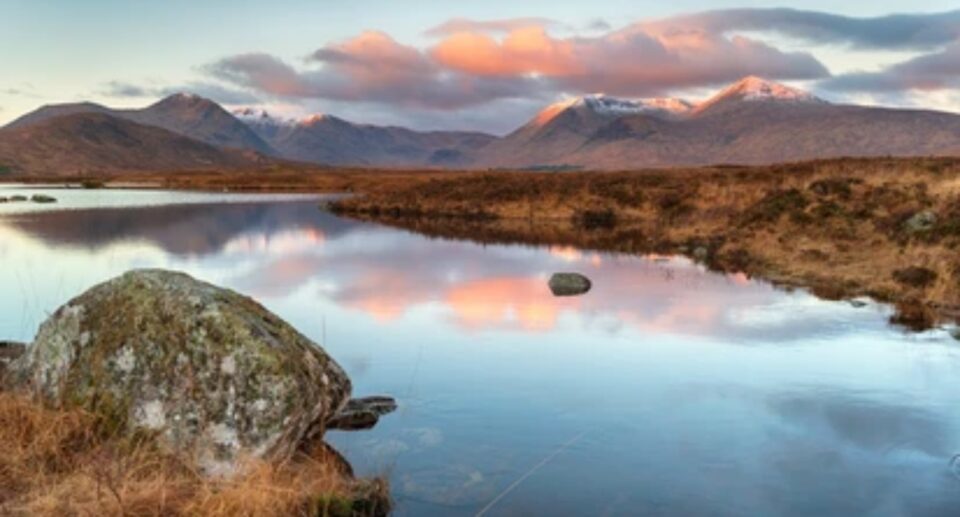
Glen Coe does not simply impress visitors. It confronts them.
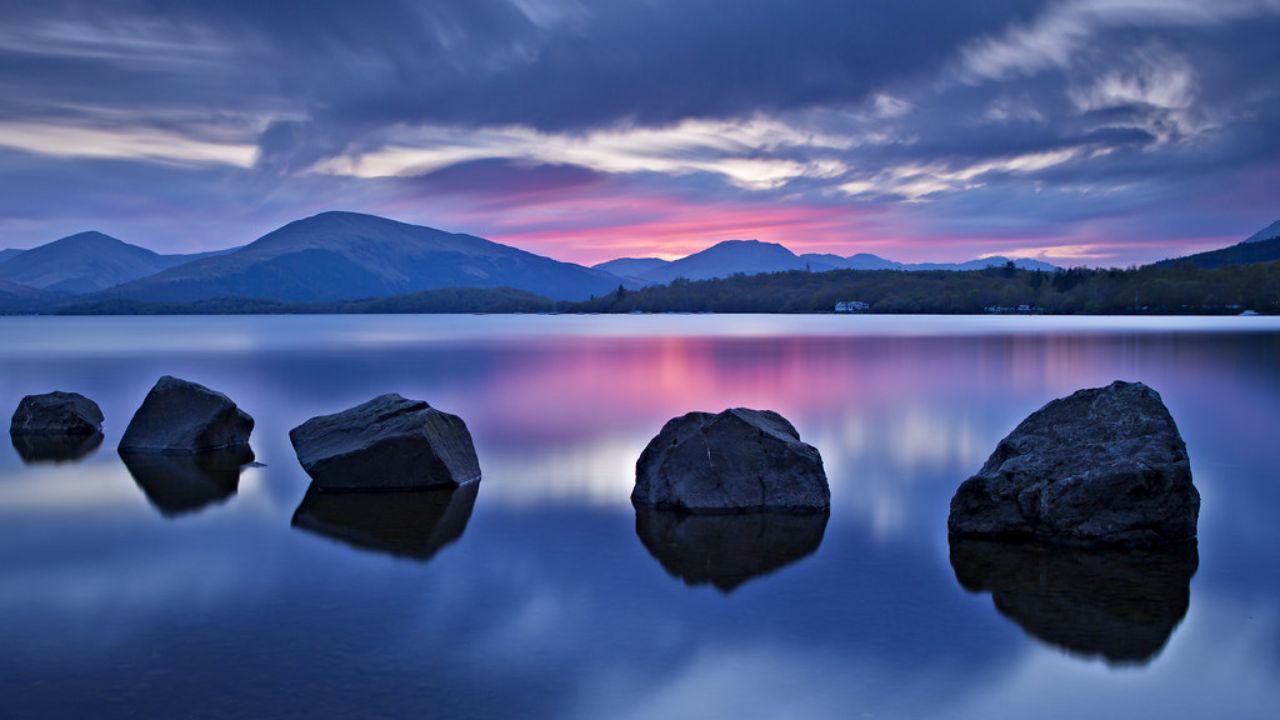
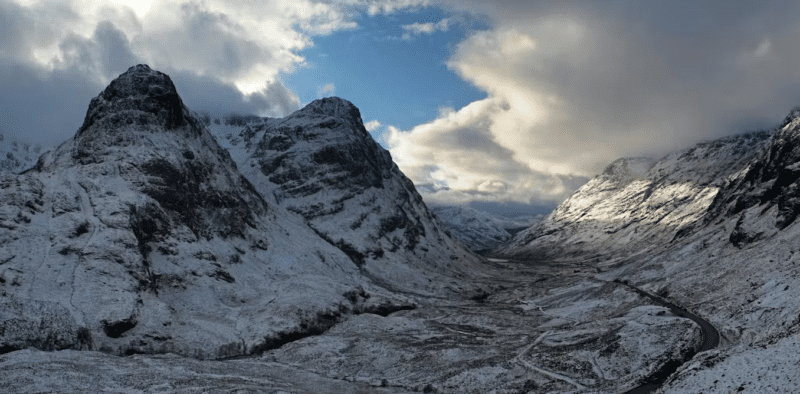
Jagged mountains rise like sentinels. The glen opens, yet somehow feels intimate. People speak of it as a place that “remembers,” and when you stand there, the word does not feel poetic. It feels accurate.
As a historian trained in Edinburgh, I often tell students: Glen Coe teaches by landscape first, and by story second.
Life in Glen Coe Before Conflict
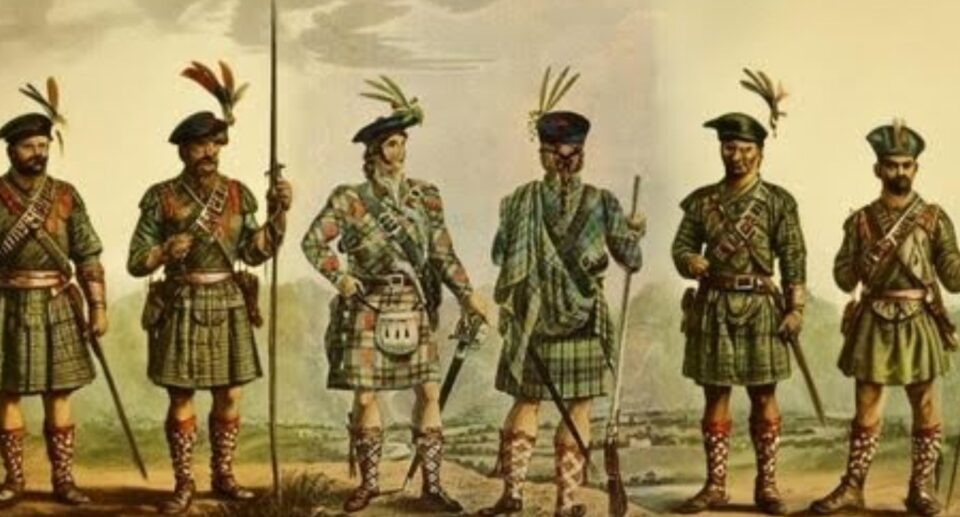
The glen once thrived as a Highland community. Families kept cattle, cut peat, and shaped their lives around the rhythms of weather and clan loyalty. Gaelic filled the air, just as it shaped cultural memory elsewhere in Scotland, the same language thread you notice in discussions like Scottish Gaelic Bible translations and Highland song traditions.
Clans did not merely occupy land. They carried identity, obligation, and belonging.
Hospitality formed one of the strongest moral codes. When someone crossed your threshold, you offered safety.
That unwritten law matters dearly when we reach 1692.
The Massacre of 1692: When Trust Broke
In February 1692, soldiers arrived in Glen Coe, lodging with the MacDonalds. They ate at their tables. They received Highland hospitality. Then, under political orders tied to the aftermath of the Glorious Revolution, they turned on their hosts.
Men died in their homes. Women and children fled into freezing darkness.
The law of hospitality shattered and the wound carried cultural weight far beyond the valley.
We study the politics in lecture halls. But in Glen Coe, you feel the moral lesson more than you read it. Betrayal leaves echoes, and those echoes linger.
After the Tragedy: Memory, Not Silence
The story did not end in despair. Highland culture adapted and endured. Families rebuilt lives. Songs remembered. Names carried stories forward, much like communities across Celtic lands who faced loss and still held identity, whether in Scotland, Ireland, or beyond. (For wider cultural context, see our explorations of Celtic stone carvings and the resilience shown during the Irish Potato Famine.)
Glen Coe teaches resilience without romanticizing pain.
It shows how people negotiate the weight of history while still living in the present.
Glen Coe as a Living Classroom
Today, visitors hike, pause, listen and learn.
Interpretation centers explain the past. Trails guide walkers into glacial landscapes that still shape daily weather.
Glen Coe connects naturally with other Highland themes: tartan symbolism, clan identity, and cultural revival. If those fascinate you, explore related guides like What Is Tartan?, How Many Scottish Clans?, and Do Irish Wear Kilts?
History feels grounded here, literally underfoot.
Landscape, Legend, and Ethics of Remembering
Stories cluster around Glen Coe. Some belong to documented events. Others lean toward legend. Both matter because they show how communities process trauma.
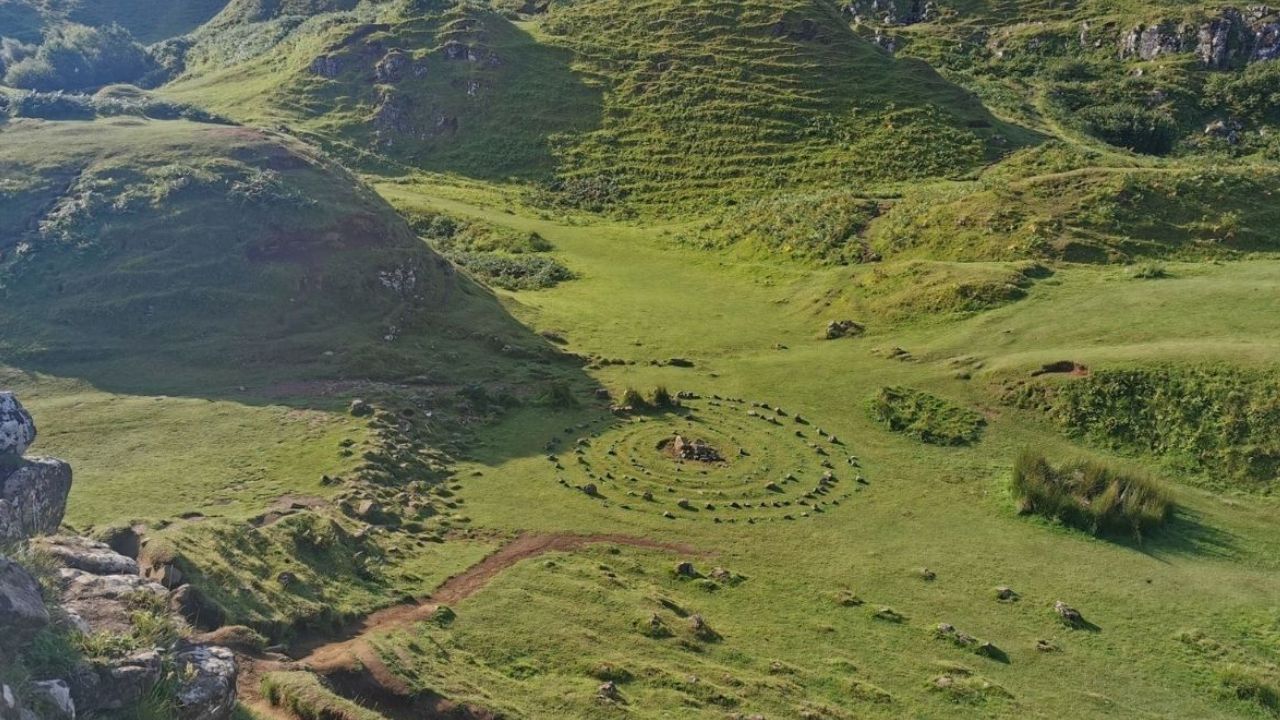
Remembering Glen Coe does not ask us to rehearse anger. Instead, it asks for awareness, humility, and care. The same ethic appears across Celtic landscapes, from the Legend of the Fairy Glen to the sacred respect shown at holy wells and ancient hills.
History here is not a museum case. It breathes with the land.
Visiting Glen Coe Today: Walk Gently
When you visit, arrive with curiosity and leave with reflection.
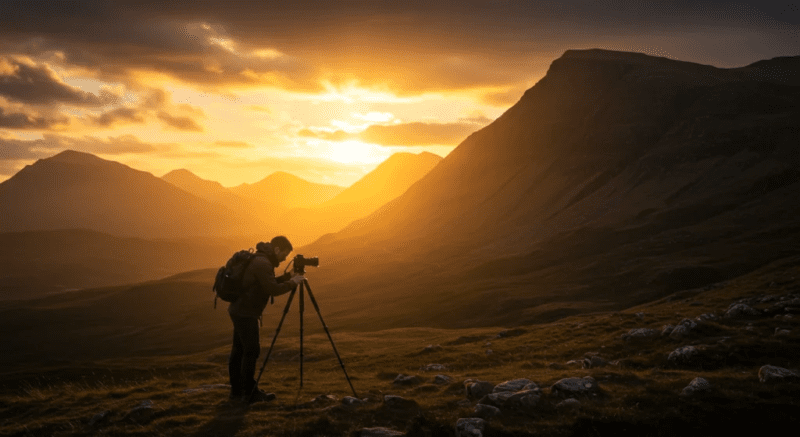
Walk slowly. Read the plaques. Listen to the wind where people once fled through snow.
Glen Coe holds tragedy, but it also holds dignity, perseverance, and deep cultural continuity. The glen reminds us that landscapes are archives and that every path carries story.
To continue exploring how land and heritage intertwine, browse our main Celtguide Blog, or journey into related topics like Kilts in Movies and Shows, What Is a Dirk Knife?, or the cultural mysteries surrounding Annwn in Celtic tradition.
Glen Coe stays with you, not because it demands attention, but because it teaches you how memory works.